


Photo by Ela Bialkowska, OKNO Studio for PinchukArtCentre/Future Generation Art Prize 2024
Photo by Ela Bialkowska, OKNO Studio for PinchukArtCentre/Future Generation Art Prize 2024
Photo by Ela Bialkowska, OKNO Studio for PinchukArtCentre/Future Generation Art Prize 2024
Photo by Ela Bialkowska, OKNO Studio for PinchukArtCentre/Future Generation Art Prize 2024
Photo by Ela Bialkowska, OKNO Studio for PinchukArtCentre/Future Generation Art Prize 2024
Photo by Ela Bialkowska, OKNO Studio for PinchukArtCentre/Future Generation Art Prize 2024
Photo by Ela Bialkowska, OKNO Studio for PinchukArtCentre/Future Generation Art Prize 2024
Photo by Ela Bialkowska, OKNO Studio for PinchukArtCentre/Future Generation Art Prize 2024
Photo by Ela Bialkowska, OKNO Studio for PinchukArtCentre/Future Generation Art Prize 2024
Photo by Ela Bialkowska, OKNO Studio for PinchukArtCentre/Future Generation Art Prize 2024
Photo by Ela Bialkowska, OKNO Studio for PinchukArtCentre/Future Generation Art Prize 2024
Photo by Ela Bialkowska, OKNO Studio for PinchukArtCentre/Future Generation Art Prize 2024
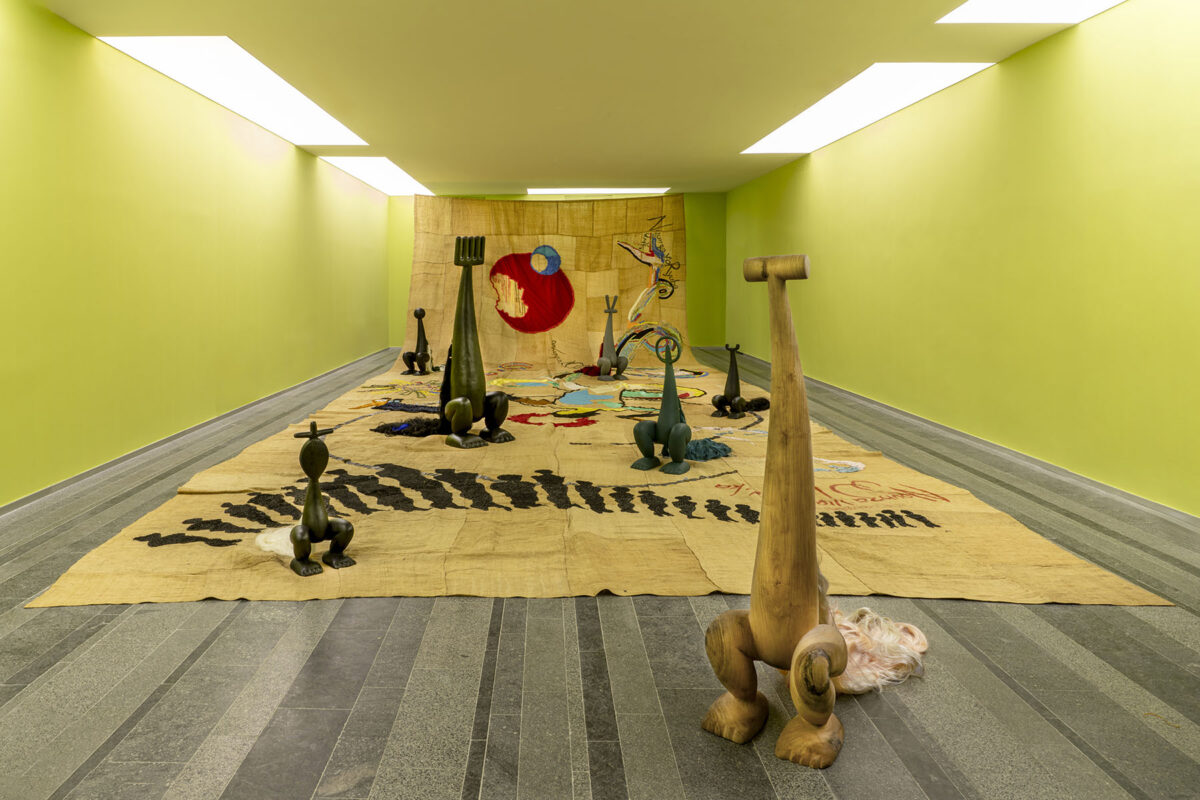
Photo by Ela Bialkowska, OKNO Studio for PinchukArtCentre/Future Generation Art Prize 2024
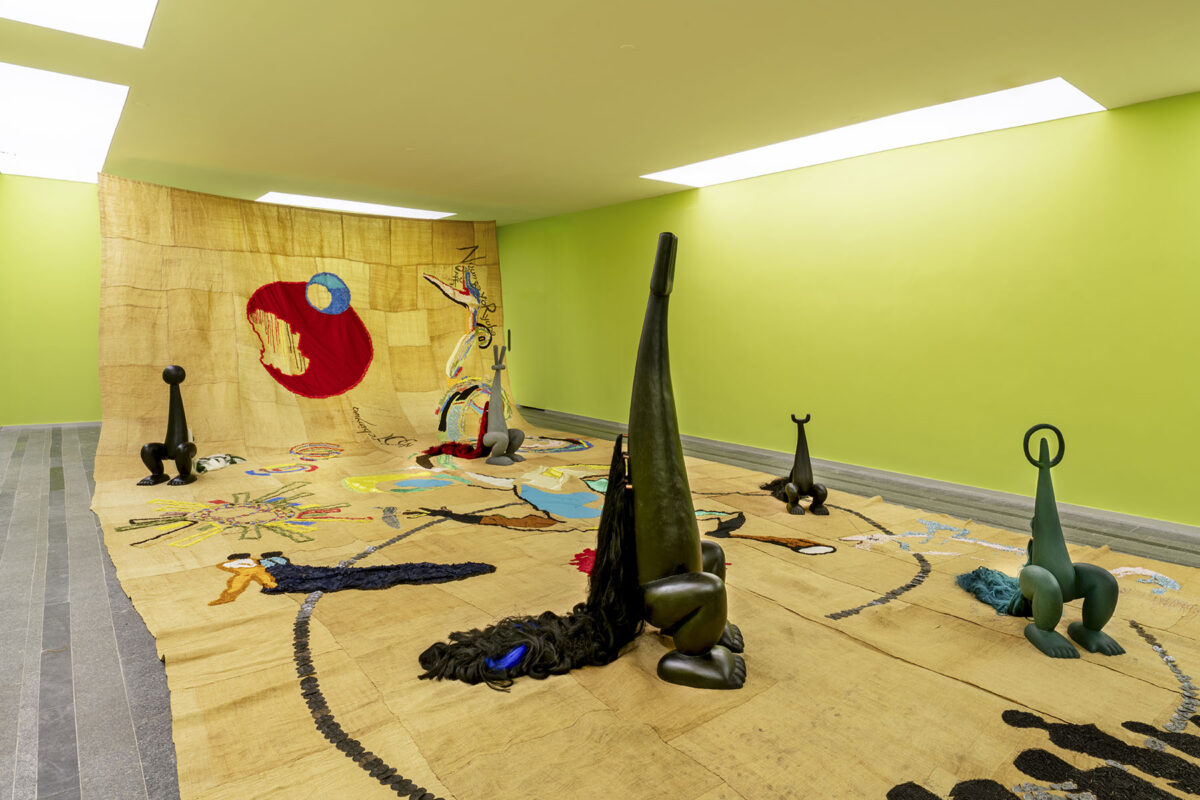
Photo by Ela Bialkowska, OKNO Studio for PinchukArtCentre/Future Generation Art Prize 2024
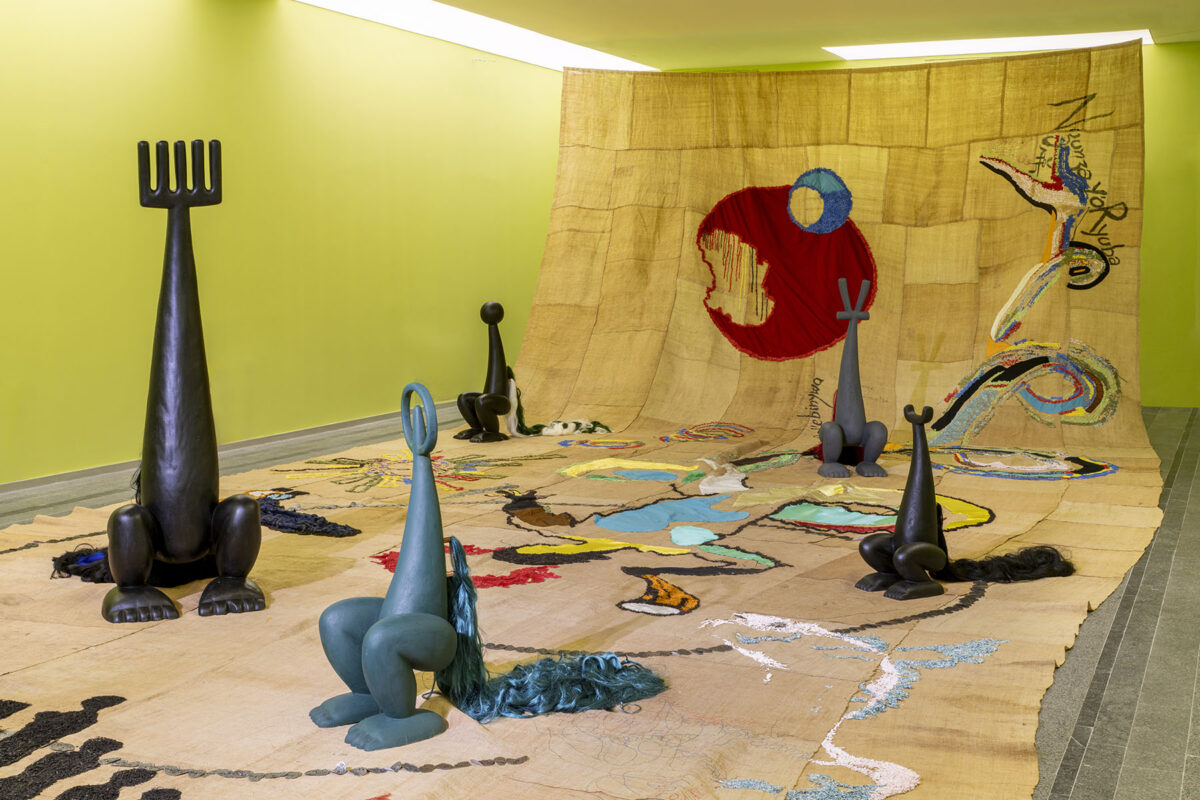
Photo by Ela Bialkowska, OKNO Studio for PinchukArtCentre/Future Generation Art Prize 2024
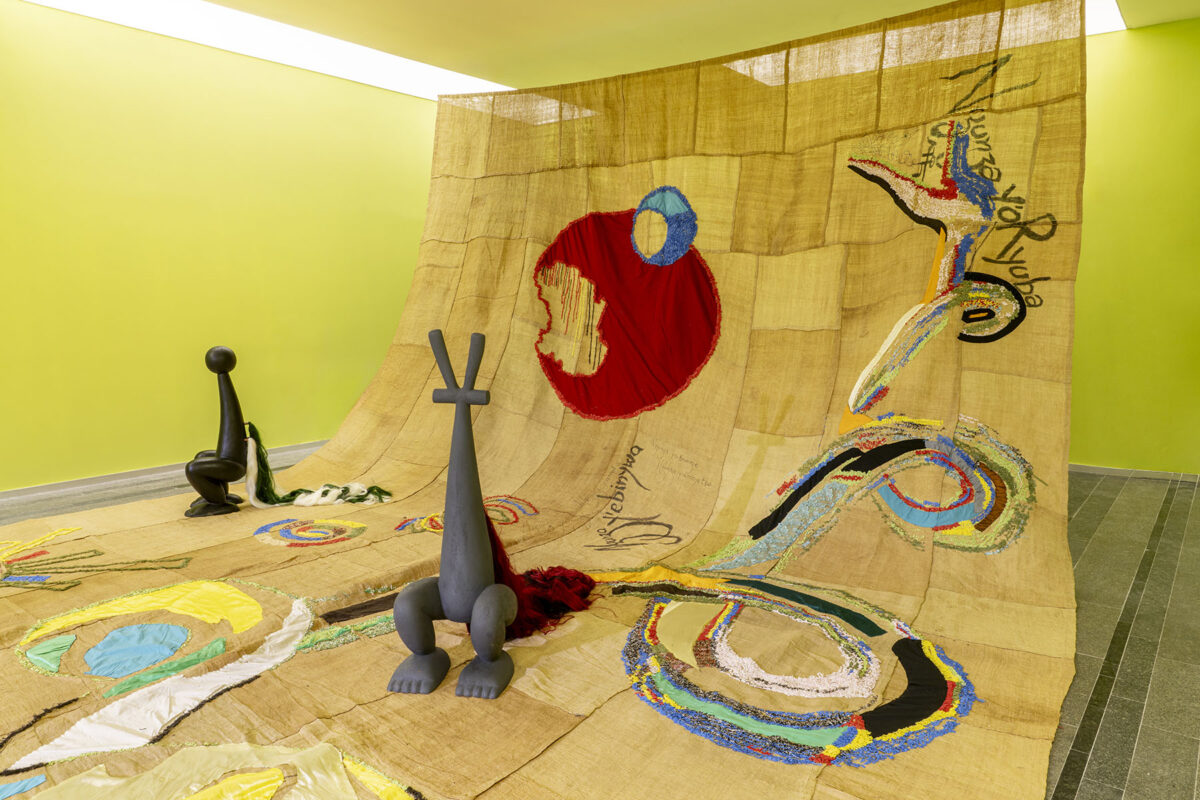
Photo by Ela Bialkowska, OKNO Studio for PinchukArtCentre/Future Generation Art Prize 2024
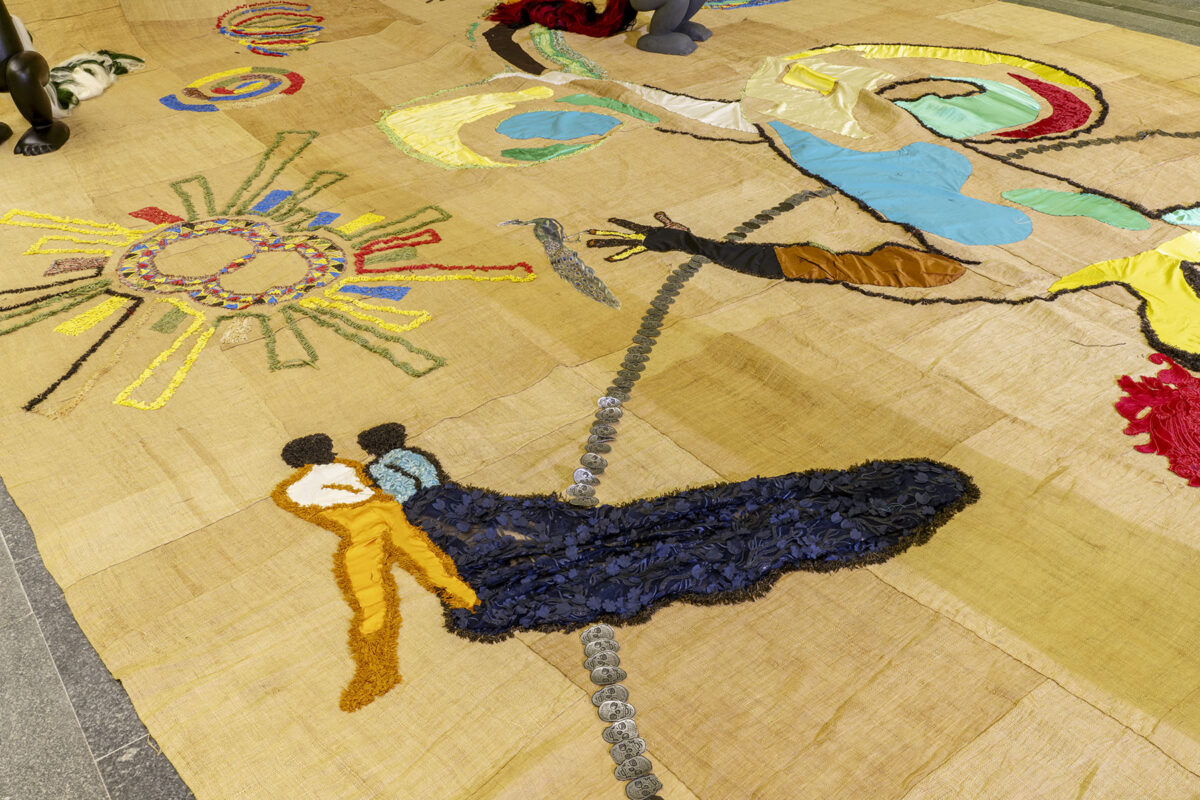
Photo by Ela Bialkowska, OKNO Studio for PinchukArtCentre/Future Generation Art Prize 2024
Photo by Ela Bialkowska, OKNO Studio for PinchukArtCentre/Future Generation Art Prize 2024
Statistics by Analogy: Everything that Populates the Earth and Sky
“Statistics is the art of stripping numbers of all the reality they contain. ‘One’ equals ‘one,’ sometimes; but most often: 1 = x.”
Rémy de Gourmont
In 1947, journalist Joseph Nyons reported in the Washington Post a statement attributed to Stalin, which unquestionably embodies the height of political cynicism and historical immorality. During the Great Famine in Ukraine, an aide reporting the death tolls was interrupted by Stalin, who stated: “If only one man dies of hunger, that is a tragedy. If millions die, that’s only statistics.”
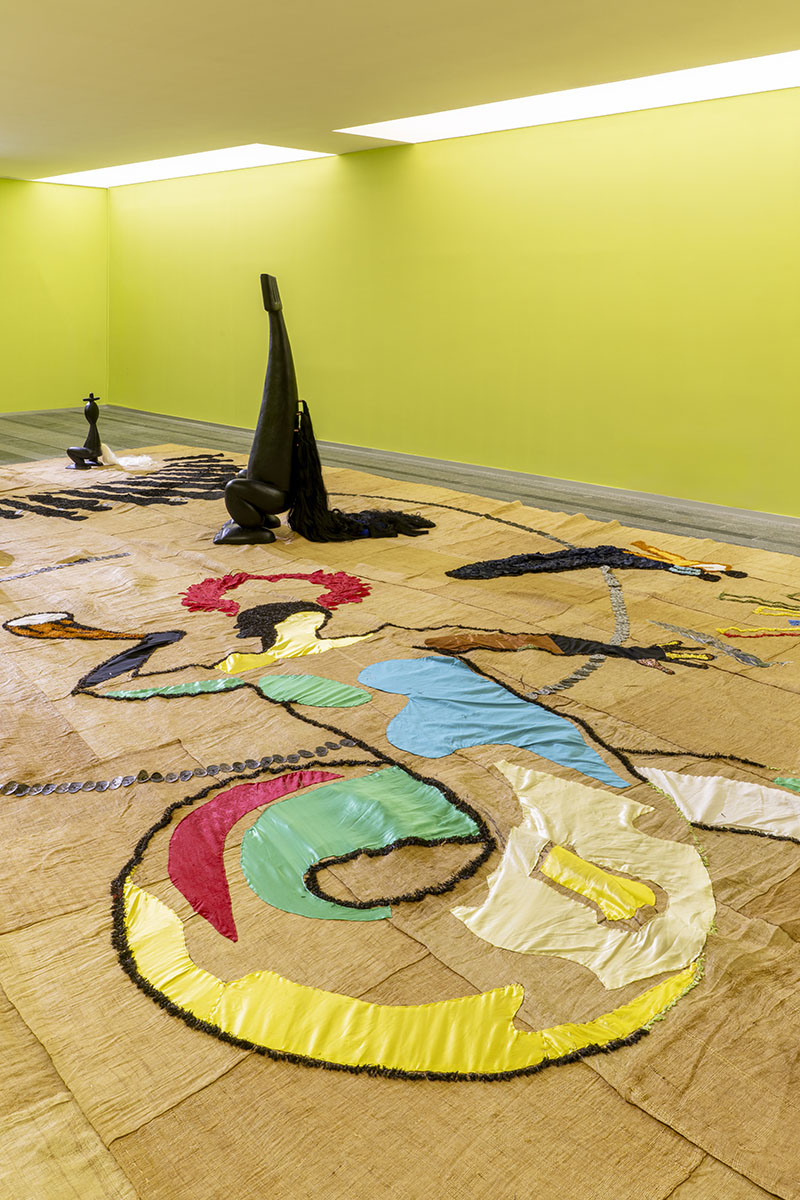
Beginning with the debate over numbers and the memory of wars in Eastern Congo, this installation explores the fundamental contradiction of imagination, which becomes sterile when faced with statistics of death and destruction. The accumulation of numbers—meant to evoke emotional responses proportional to the data—ultimately erases what they are supposed to represent. When applied to armed conflicts, death, and the destruction of life, numbers lose all narrative potential. Abstraction, as Stalin argued in his pursuit of political indifference, deliberately drains catastrophic events of their substance and historical significance. Imagination cannot grasp them, either in their entirety or in detail. As the death toll rises, it overwhelms the imagination, ultimately depleting it, reducing individual entities to approximate values based on similarity, time, geography, or events. These numbers flatten unknown lives, complex situations, and emotions, obscuring the events themselves; they erase the individuality of each confrontation with tragedy. What, then, is the value of reports and references to these historical events, recorded through the erasure and negation of such vast elements and emotions?
This installation challenges the barren abstraction of statistics by contrasting the symbolic with the numeric, creating “analog statistics” that revive narrative in all its emotional complexity.