
Photograph by Mattias Lindbäck
[+]Photograph by Mattias Lindbäck
[-]Photograph by Mattias Lindbäck
[+]Photograph by Mattias Lindbäck
[-]Photograph by Mattias Lindbäck
[+]Photograph by Mattias Lindbäck
[-]Photograph by Mattias Lindbäck
[+]Photograph by Mattias Lindbäck
[-]Photograph by Mattias Lindbäck
[+]Photograph by Mattias Lindbäck
[-]Photograph by Mattias Lindbäck
[+]Photograph by Mattias Lindbäck
[-]Photograph by Mattias Lindbäck
[+]Photograph by Mattias Lindbäck
[-]Photograph by Mattias Lindbäck
[+]Photograph by Mattias Lindbäck
[-]Photograph by Mattias Lindbäck
[+]Photograph by Mattias Lindbäck
[-]Photograph by Mattias Lindbäck
[+]Photograph by Mattias Lindbäck
[-]Photograph by Mattias Lindbäck
[+]Photograph by Mattias Lindbäck
[-]Photograph by Mattias Lindbäck
[+]Photograph by Mattias Lindbäck
[-]Photograph by Mattias Lindbäck
[+]Photograph by Mattias Lindbäck
[-]Photograph by Mattias Lindbäck
[+]Photograph by Mattias Lindbäck
[-]Photograph by Mattias Lindbäck
[+]Photograph by Mattias Lindbäck
[-]
Photograph by Mattias Lindbäck
Photograph by Mattias Lindbäck
Photograph by Mattias Lindbäck
Photograph by Mattias Lindbäck
Photograph by Mattias Lindbäck
Photograph by Mattias Lindbäck
Photograph by Mattias Lindbäck
Photograph by Mattias Lindbäck
Photograph by Mattias Lindbäck
Photograph by Mattias Lindbäck
Photograph by Mattias Lindbäck
Photograph by Mattias Lindbäck
Photograph by Mattias Lindbäck
Photograph by Mattias Lindbäck
Photograph by Mattias Lindbäck
James Webb’s work is marked by a poetic sensibility and an exploration of multiple histories, mythologies, places and contexts. Liljevalchs now presents James Webb’s first major solo exhibition in his new home city of Stockholm: The Moon Will Not Stay Hidden Forever.
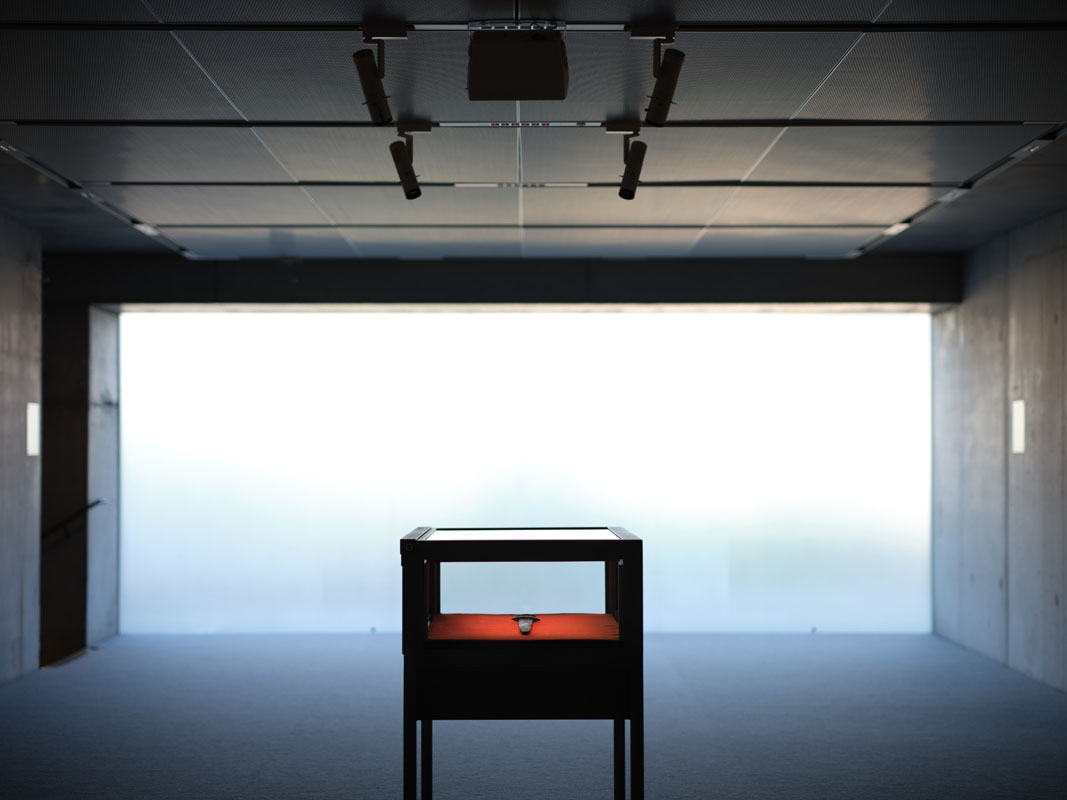
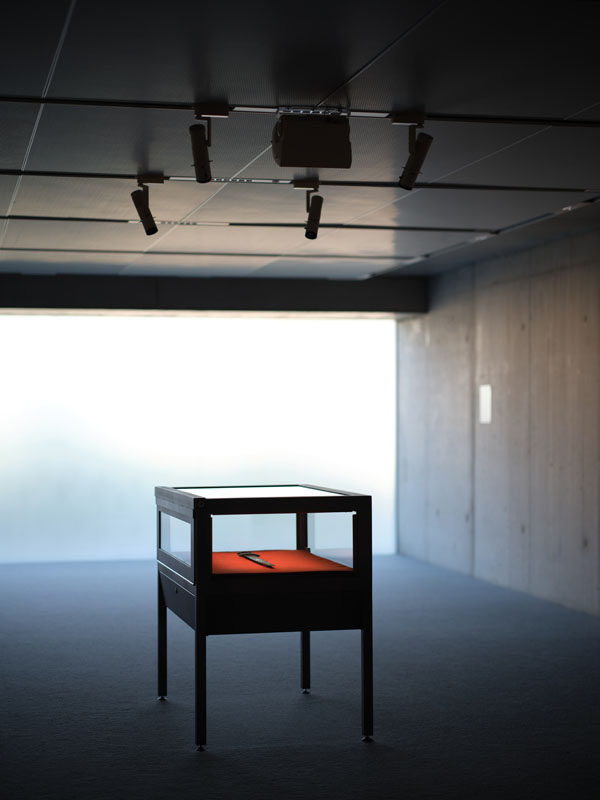
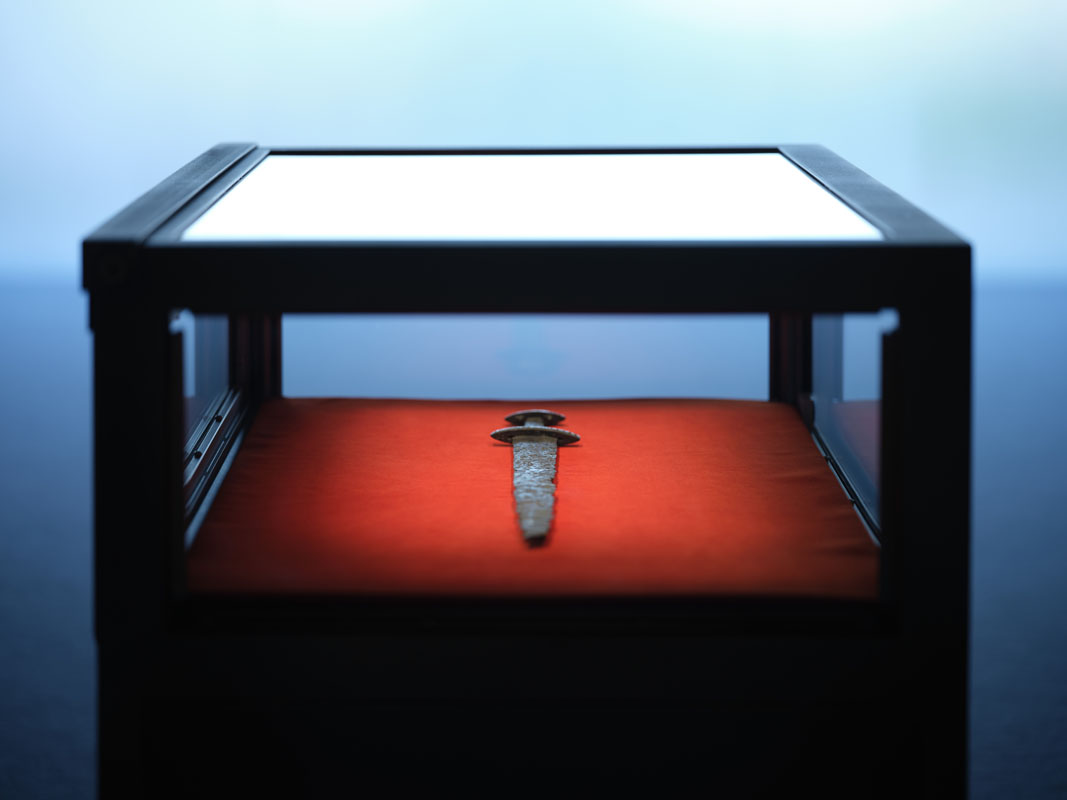
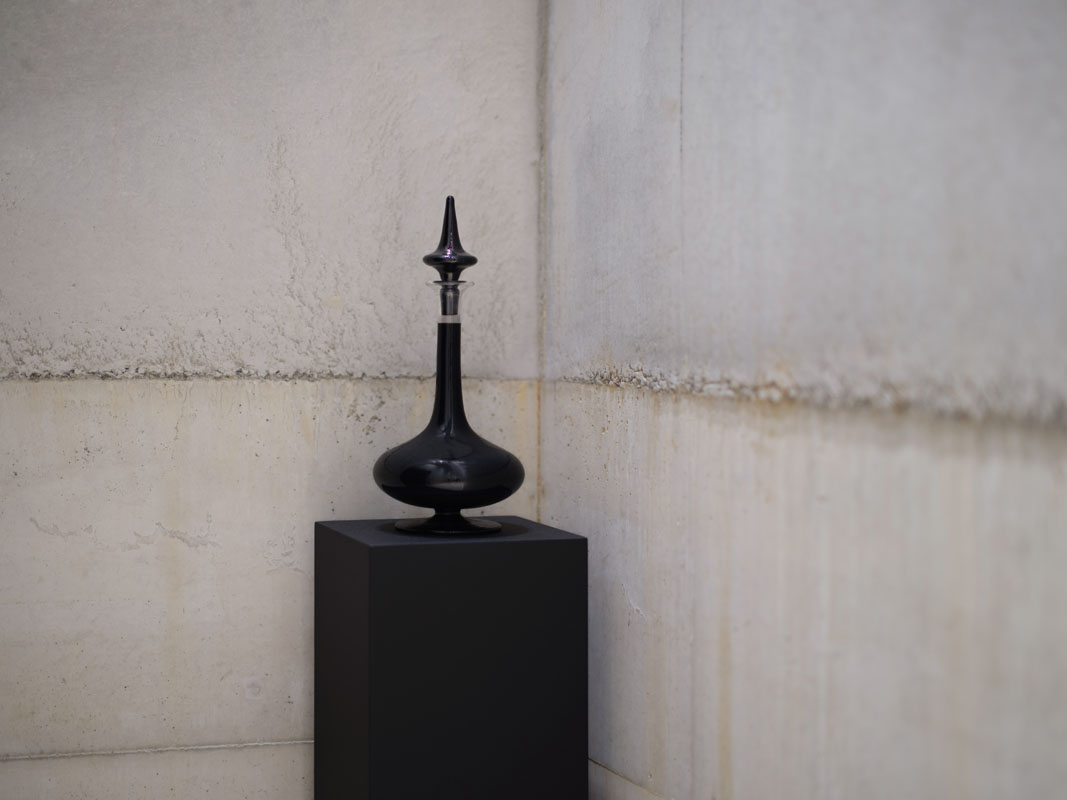
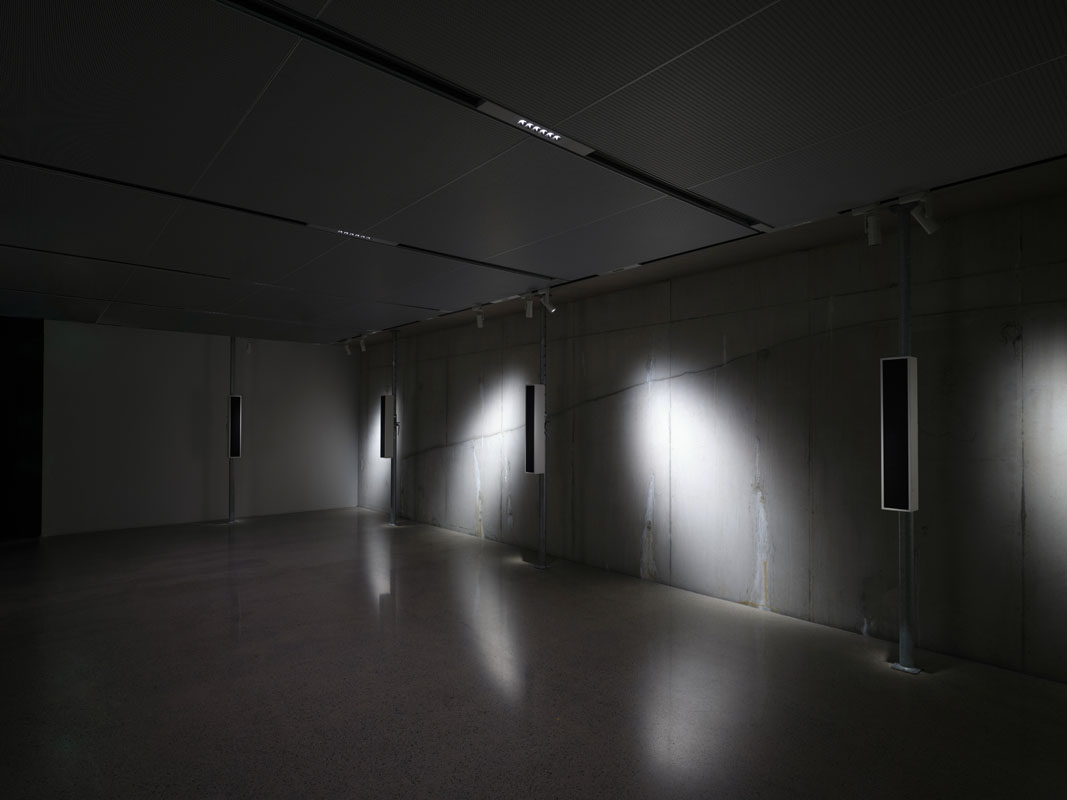
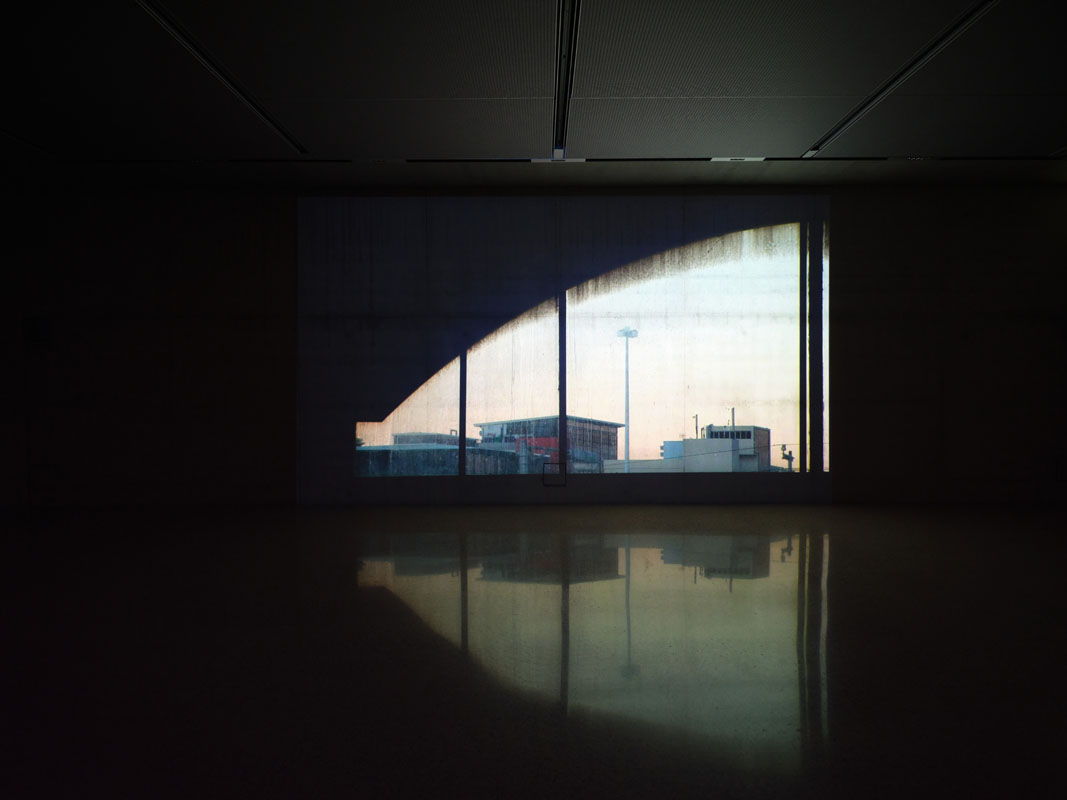
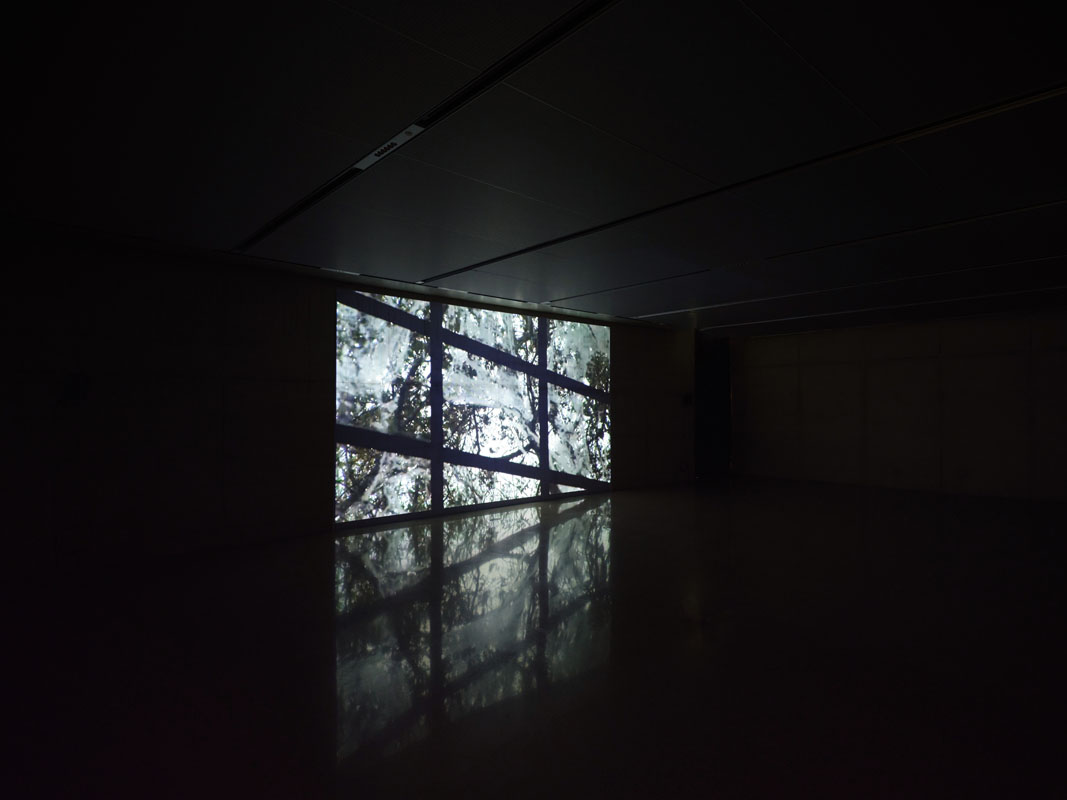
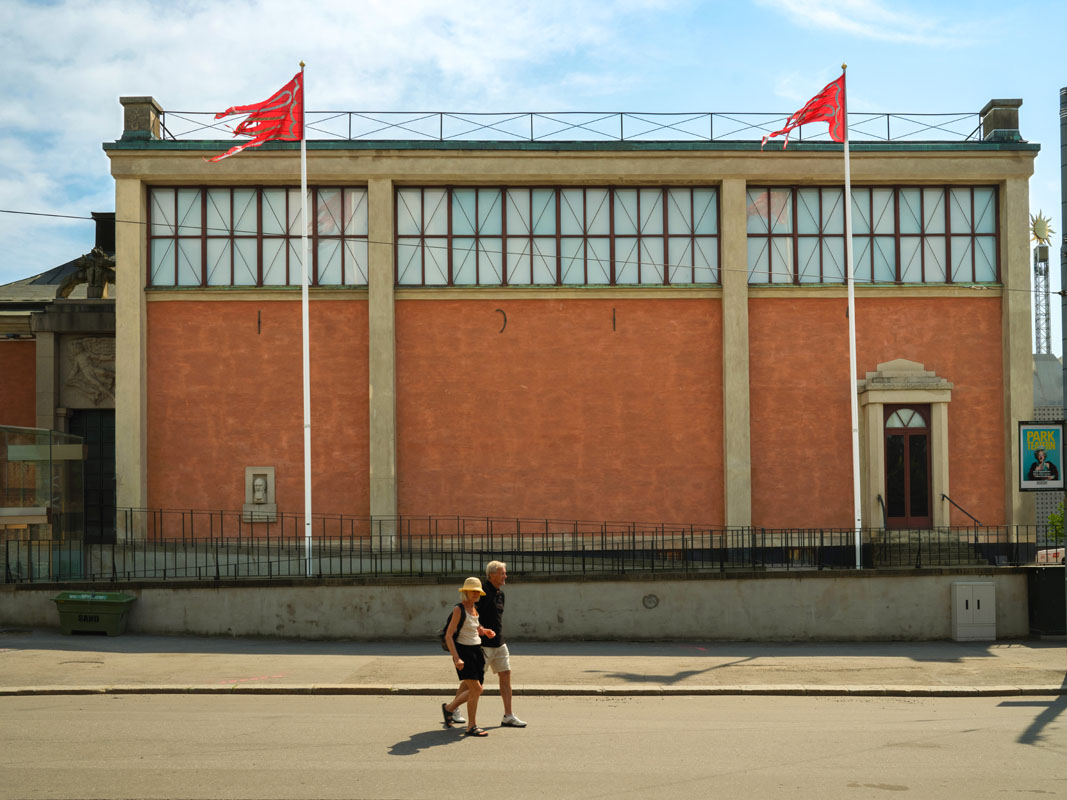
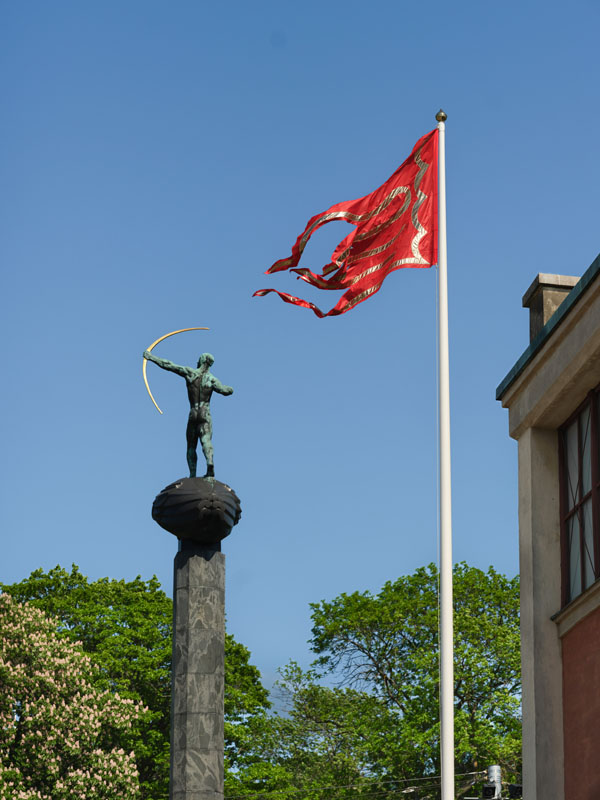
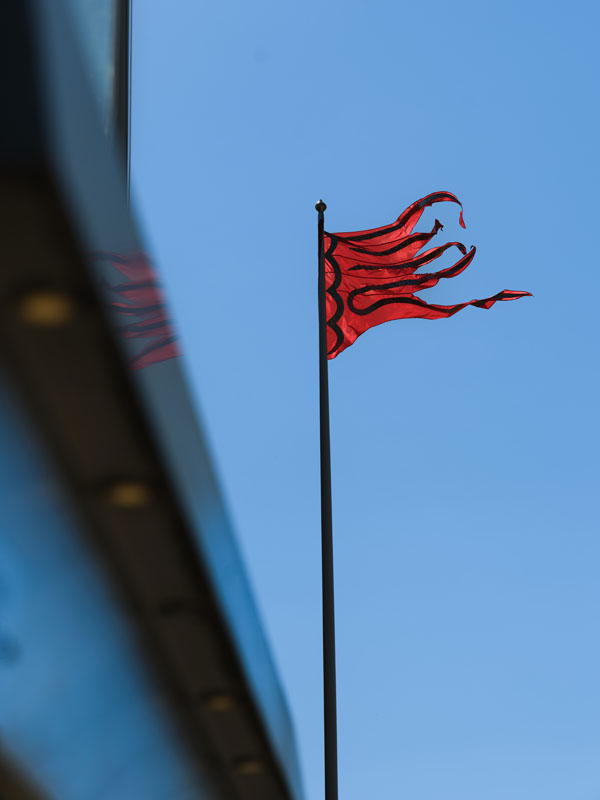
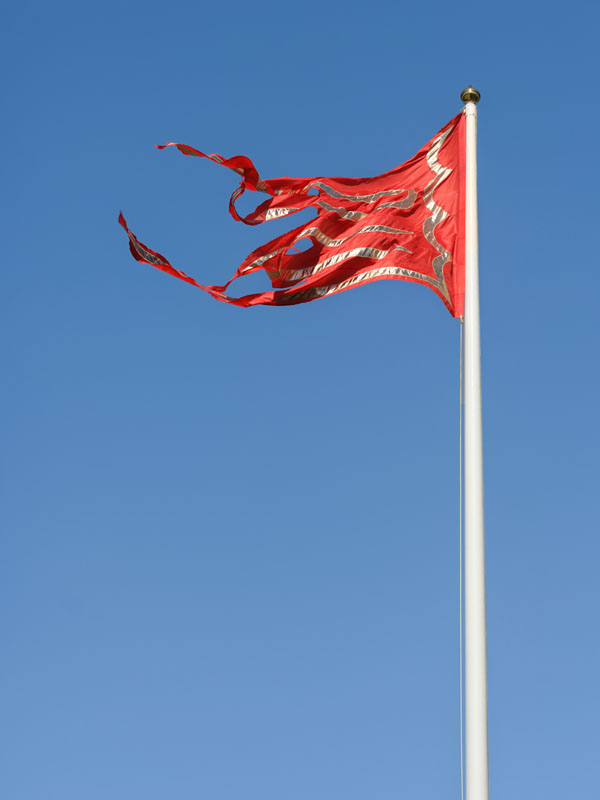
With The Moon Will Not Stay Hidden Forever, Webb takes on Sweden, Stockholm and Liljevalchs through site-specific interventions and installations. Among the works visitors will encounter are a Viking sword transformed through a series of personal questions, an ensemble singing an 873-year-old hymn inside the R1 nuclear reactor hall, flags made after a saint’s vision, and the song of a foreign bird in the garden of Blå Porten.
Out in the garden between Liljevalchs and Blå Porten, the song of a bird native to Tasmania can be heard. Webb’s family was sent to Tasmania as convicts in the early 1900s. The artist’s ancestors very likely heard this bird’s song, and by placing it in the Liljevalchs garden, in Webb’s new home city of Stockholm, a circle of movement through time and space is completed.