


Photo : 61st International Art Exhibition – La Biennale di Venezia, In Minor Keys. Photo by Andrea Avezzù. Courtesy: La Biennale di Venezia
[+]Photo : 61st International Art Exhibition – La Biennale di Venezia, In Minor Keys. Photo by Andrea Avezzù. Courtesy: La Biennale di Venezia
[-]Photo : 61st International Art Exhibition – La Biennale di Venezia, In Minor Keys. Photo by Andrea Avezzù. Courtesy: La Biennale di Venezia
[+]Photo : 61st International Art Exhibition – La Biennale di Venezia, In Minor Keys. Photo by Andrea Avezzù. Courtesy: La Biennale di Venezia
[-]Photo : 61st International Art Exhibition – La Biennale di Venezia, In Minor Keys. Photo by Andrea Avezzù. Courtesy: La Biennale di Venezia
[+]Photo : 61st International Art Exhibition – La Biennale di Venezia, In Minor Keys. Photo by Andrea Avezzù. Courtesy: La Biennale di Venezia
[-]Photo : 61st International Art Exhibition – La Biennale di Venezia, In Minor Keys. Photo by Andrea Avezzù. Courtesy: La Biennale di Venezia
[+]Photo : 61st International Art Exhibition – La Biennale di Venezia, In Minor Keys. Photo by Andrea Avezzù. Courtesy: La Biennale di Venezia
[-]Photo : 61st International Art Exhibition – La Biennale di Venezia, In Minor Keys. Photo by Andrea Avezzù. Courtesy: La Biennale di Venezia
[+]Photo : 61st International Art Exhibition – La Biennale di Venezia, In Minor Keys. Photo by Andrea Avezzù. Courtesy: La Biennale di Venezia
[-]Photo : 61st International Art Exhibition – La Biennale di Venezia, In Minor Keys. Photo by Andrea Avezzù. Courtesy: La Biennale di Venezia
[+]Photo : 61st International Art Exhibition – La Biennale di Venezia, In Minor Keys. Photo by Andrea Avezzù. Courtesy: La Biennale di Venezia
[-]Photo : 61st International Art Exhibition – La Biennale di Venezia, In Minor Keys. Photo by Andrea Avezzù. Courtesy: La Biennale di Venezia
[+]Photo : 61st International Art Exhibition – La Biennale di Venezia, In Minor Keys. Photo by Andrea Avezzù. Courtesy: La Biennale di Venezia
[-]Photo : 61st International Art Exhibition – La Biennale di Venezia, In Minor Keys. Photo by Andrea Avezzù. Courtesy: La Biennale di Venezia
[+]Photo : 61st International Art Exhibition – La Biennale di Venezia, In Minor Keys. Photo by Andrea Avezzù. Courtesy: La Biennale di Venezia
[-]Photo : 61st International Art Exhibition – La Biennale di Venezia, In Minor Keys. Photo by Andrea Avezzù. Courtesy: La Biennale di Venezia
[+]Photo : 61st International Art Exhibition – La Biennale di Venezia, In Minor Keys. Photo by Andrea Avezzù. Courtesy: La Biennale di Venezia
[-]Photo : 61st International Art Exhibition – La Biennale di Venezia, In Minor Keys. Photo by Andrea Avezzù. Courtesy: La Biennale di Venezia
[+]Photo : 61st International Art Exhibition – La Biennale di Venezia, In Minor Keys. Photo by Andrea Avezzù. Courtesy: La Biennale di Venezia
[-]Photo : 61st International Art Exhibition – La Biennale di Venezia, In Minor Keys. Photo by Andrea Avezzù. Courtesy: La Biennale di Venezia
[+]Photo : 61st International Art Exhibition – La Biennale di Venezia, In Minor Keys. Photo by Andrea Avezzù. Courtesy: La Biennale di Venezia
[-]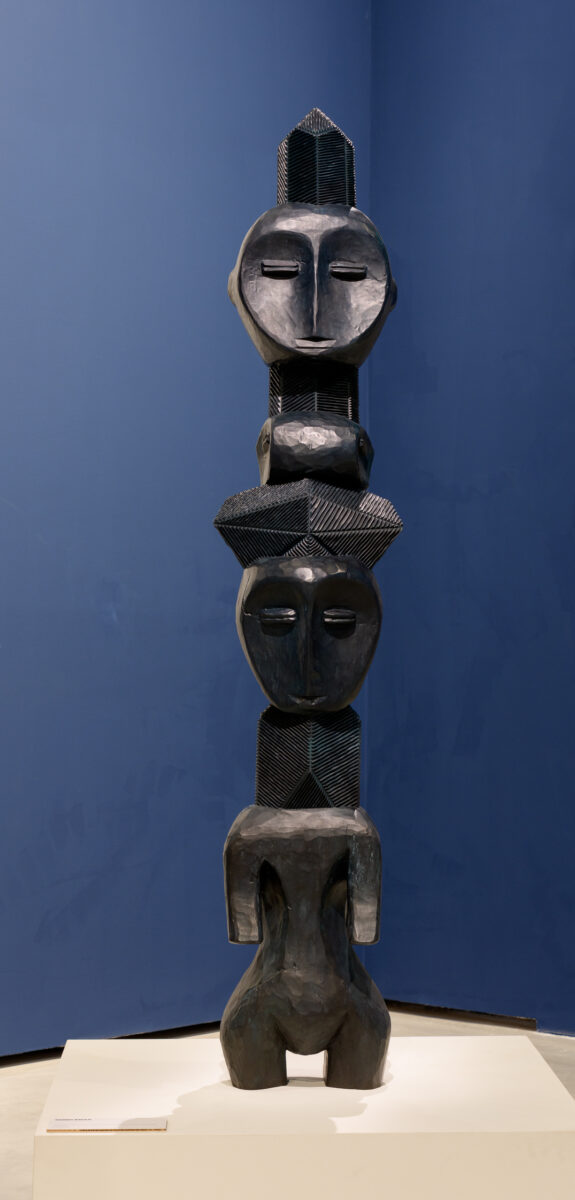
Photo : 61st International Art Exhibition – La Biennale di Venezia, In Minor Keys. Photo by Andrea Avezzù. Courtesy: La Biennale di Venezia
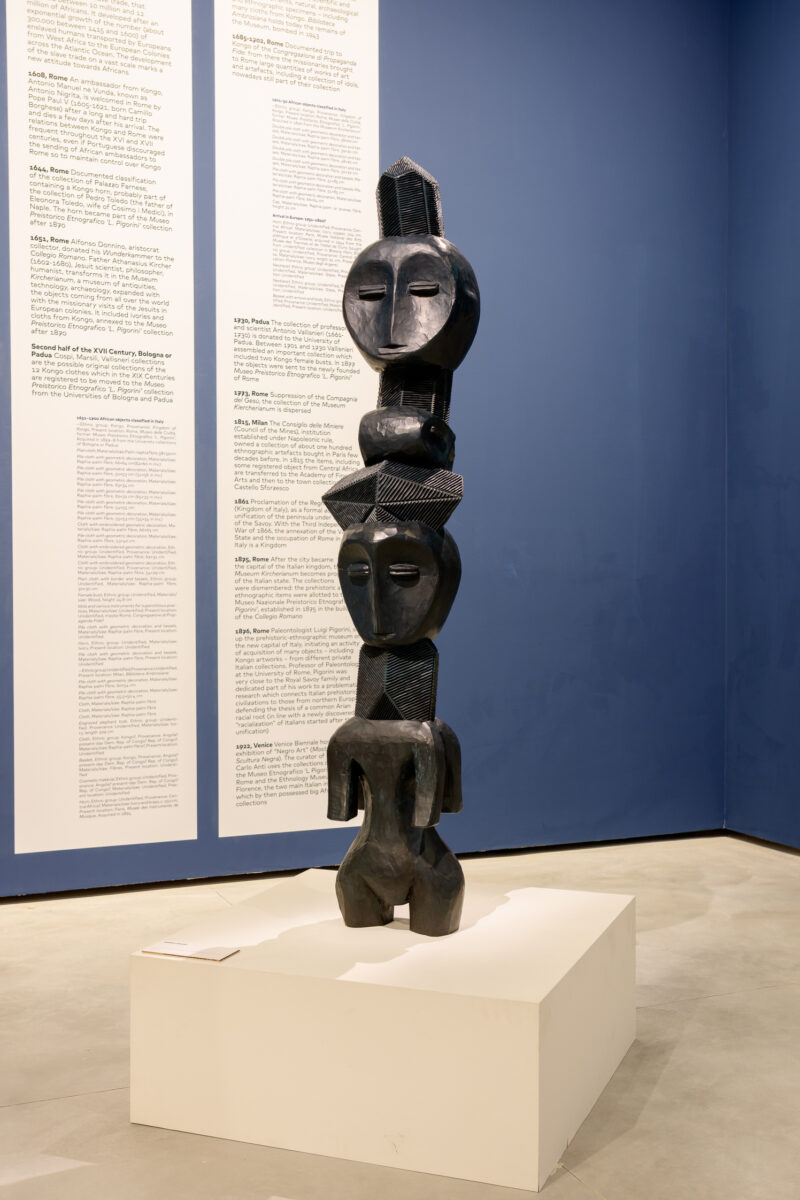
Photo : 61st International Art Exhibition – La Biennale di Venezia, In Minor Keys. Photo by Andrea Avezzù. Courtesy: La Biennale di Venezia
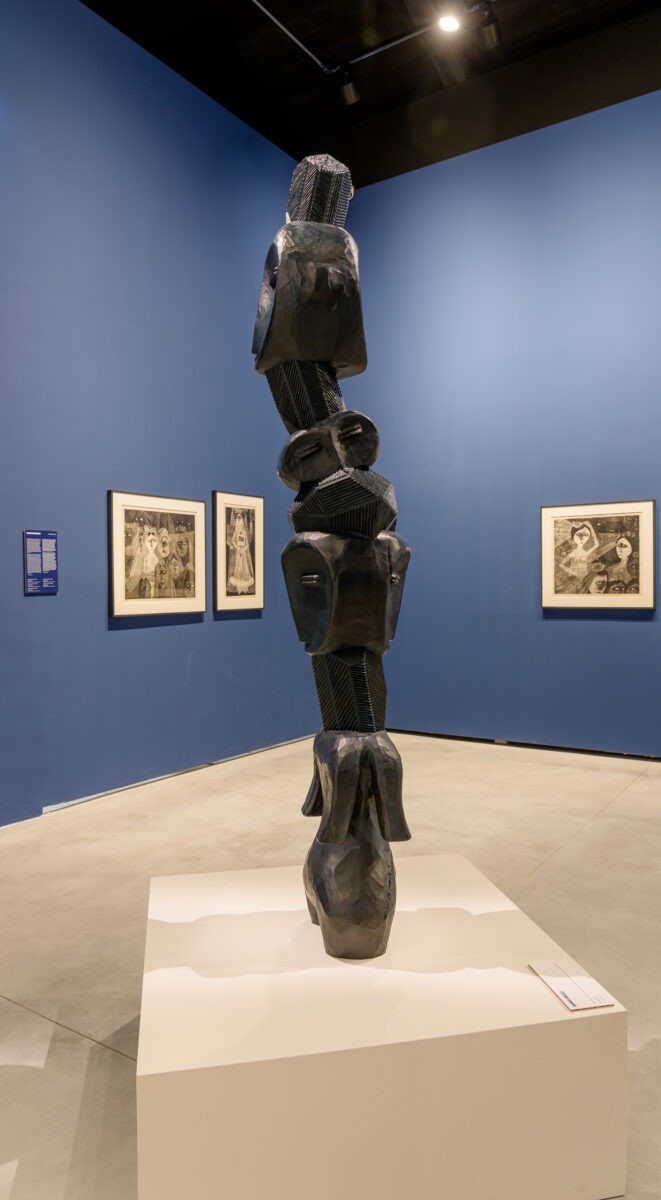
Photo : 61st International Art Exhibition – La Biennale di Venezia, In Minor Keys. Photo by Andrea Avezzù. Courtesy: La Biennale di Venezia
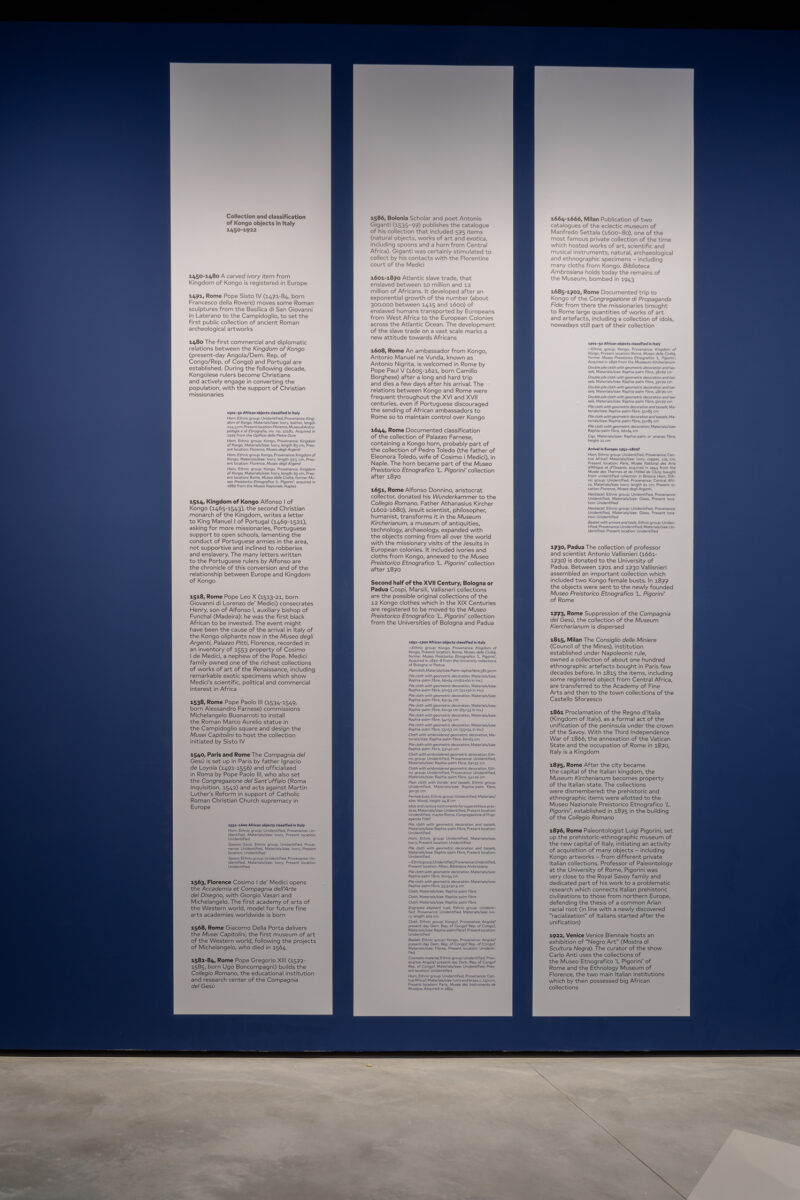
Photo : 61st International Art Exhibition – La Biennale di Venezia, In Minor Keys. Photo by Andrea Avezzù. Courtesy: La Biennale di Venezia
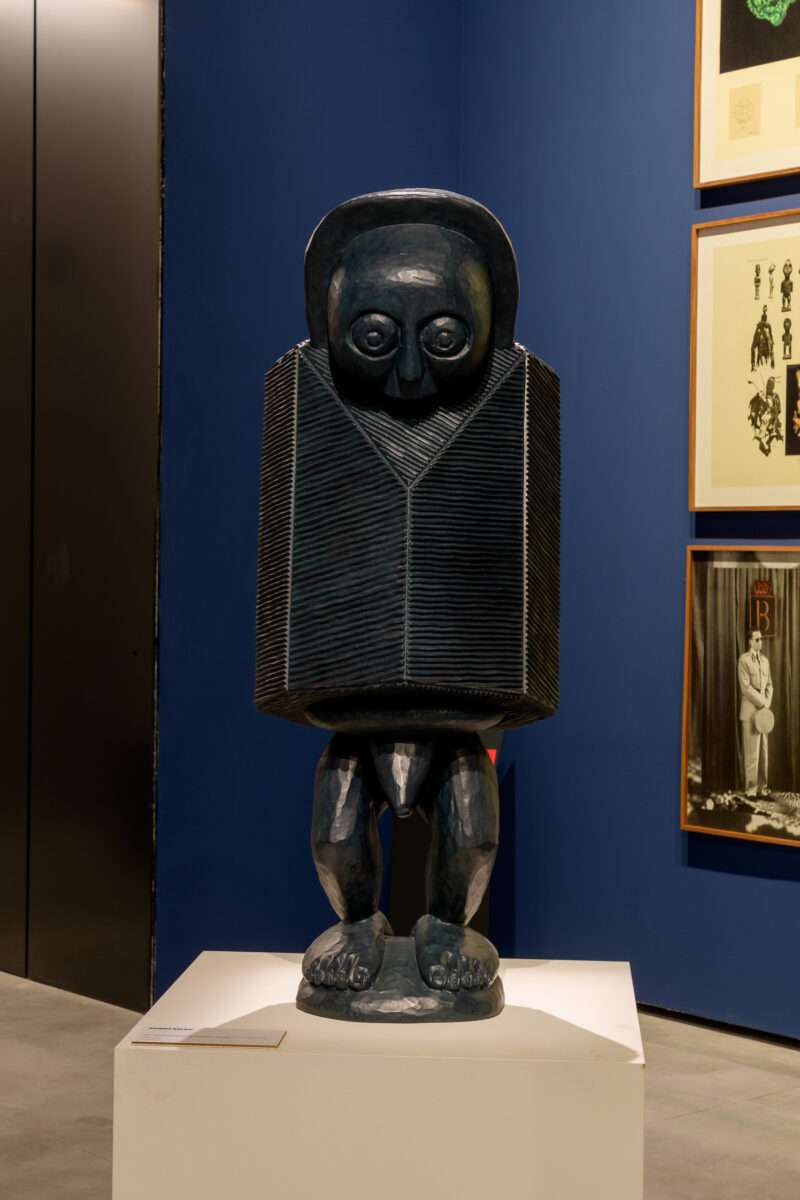
Photo : 61st International Art Exhibition – La Biennale di Venezia, In Minor Keys. Photo by Andrea Avezzù. Courtesy: La Biennale di Venezia
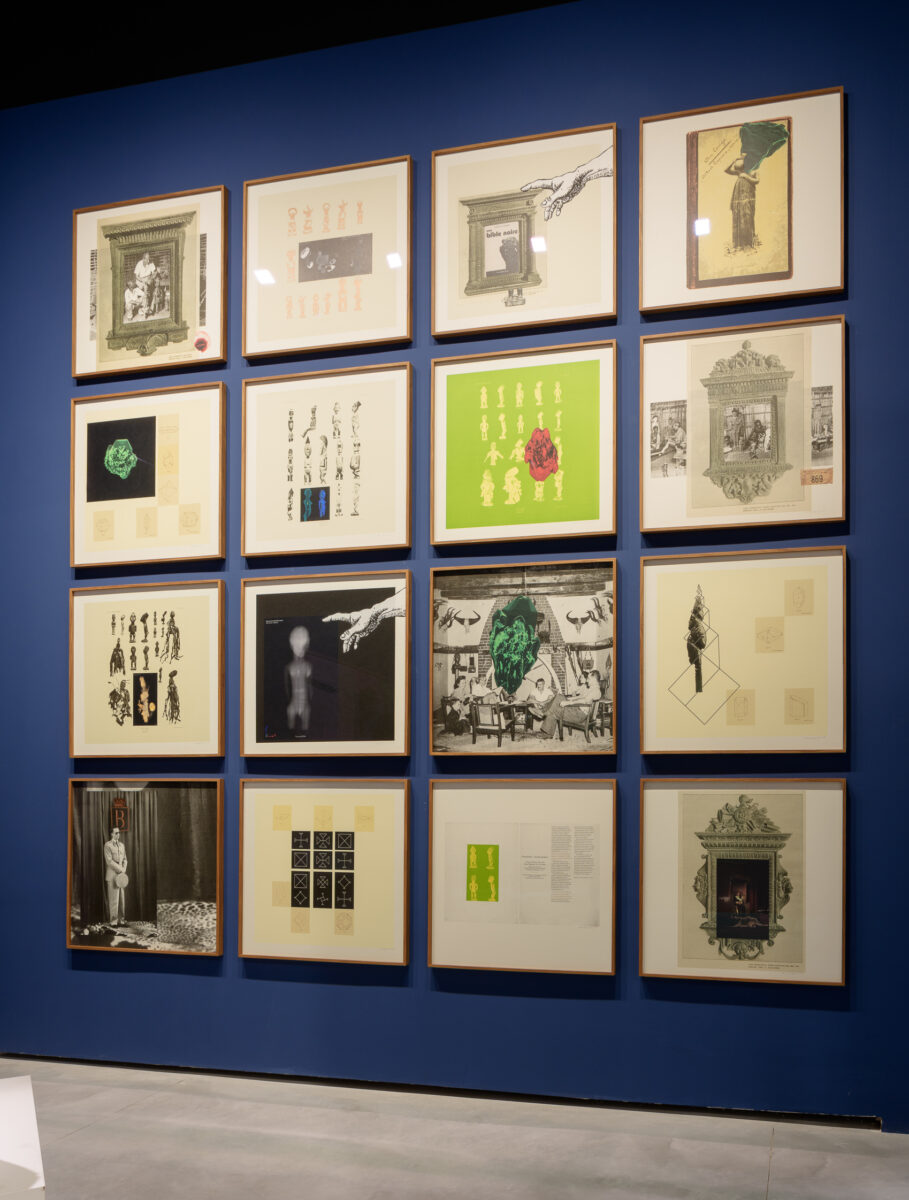
Photo : 61st International Art Exhibition – La Biennale di Venezia, In Minor Keys. Photo by Andrea Avezzù. Courtesy: La Biennale di Venezia
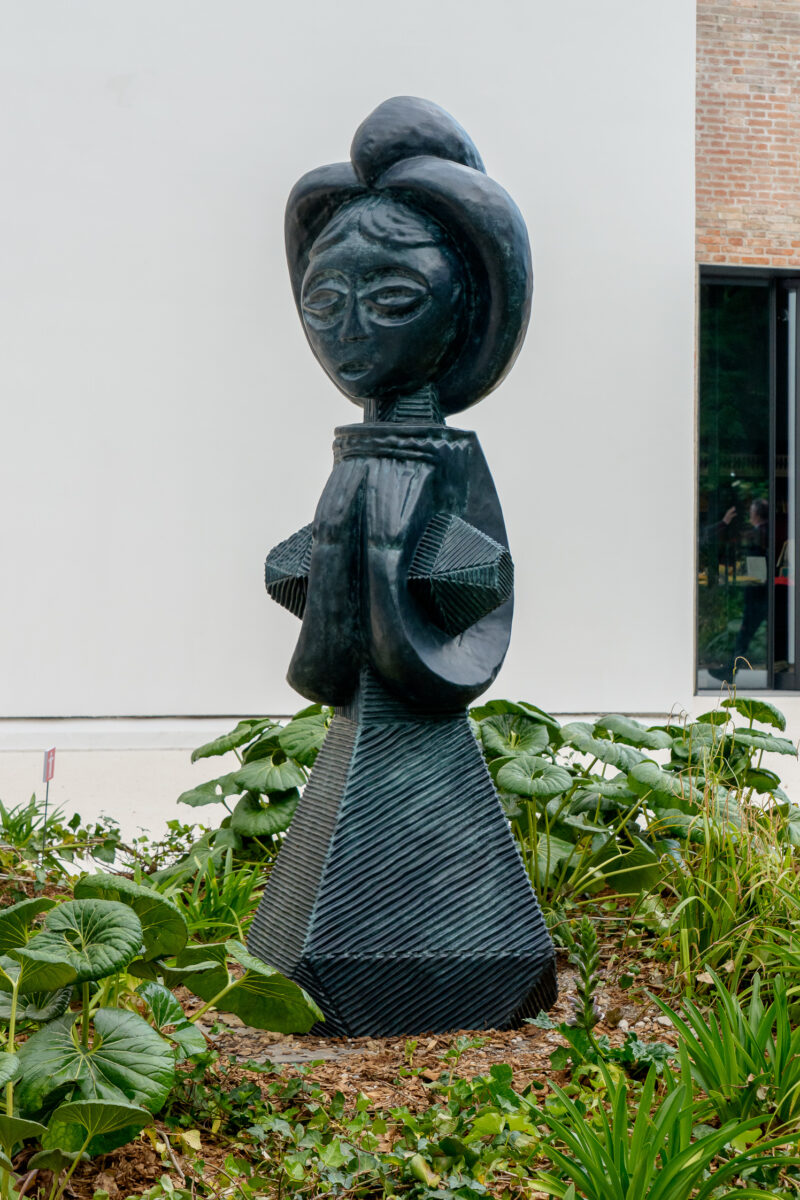
Photo : 61st International Art Exhibition – La Biennale di Venezia, In Minor Keys. Photo by Andrea Avezzù. Courtesy: La Biennale di Venezia
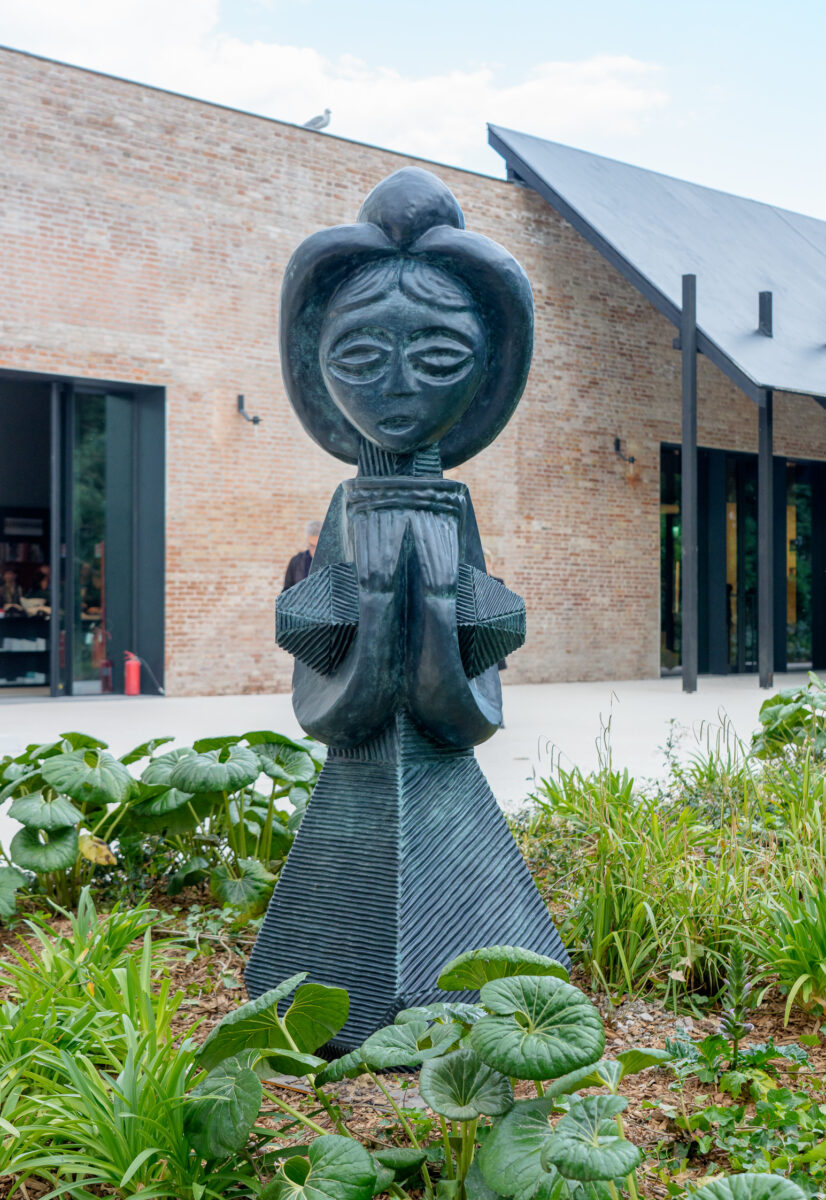
Photo : 61st International Art Exhibition – La Biennale di Venezia, In Minor Keys. Photo by Andrea Avezzù. Courtesy: La Biennale di Venezia
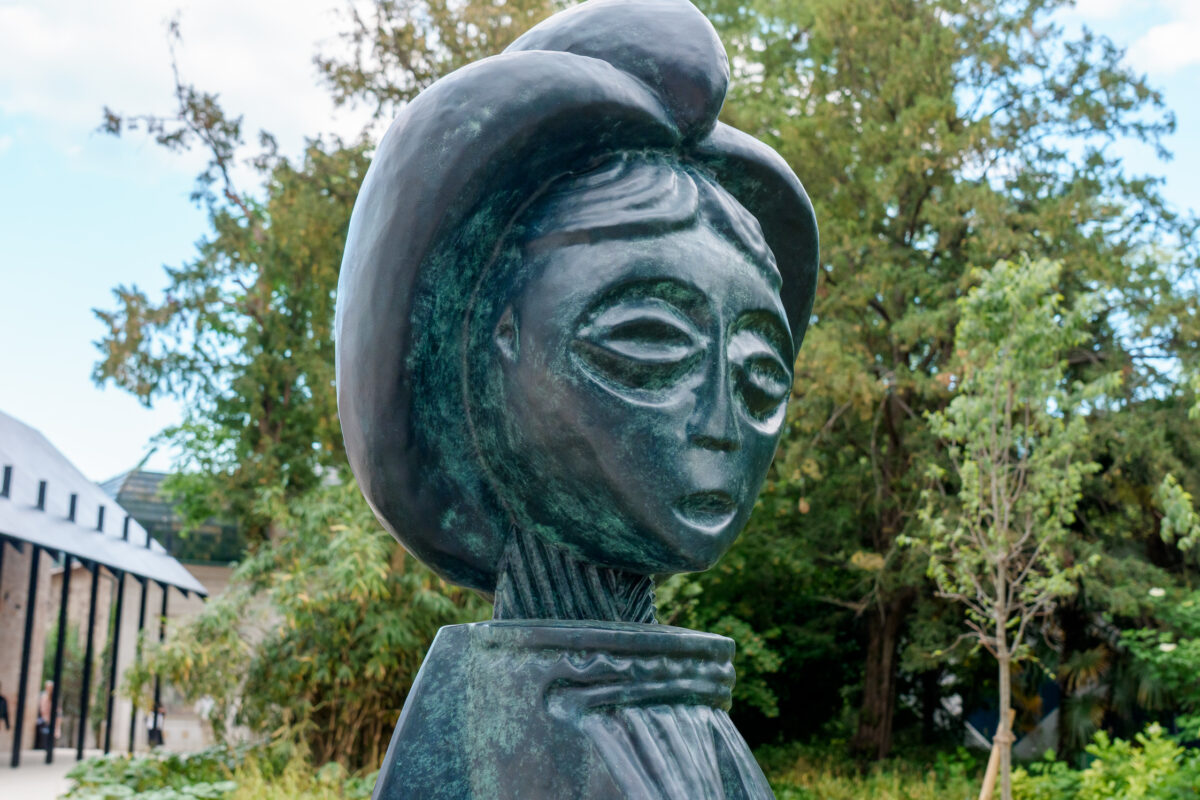
Photo : 61st International Art Exhibition – La Biennale di Venezia, In Minor Keys. Photo by Andrea Avezzù. Courtesy: La Biennale di Venezia
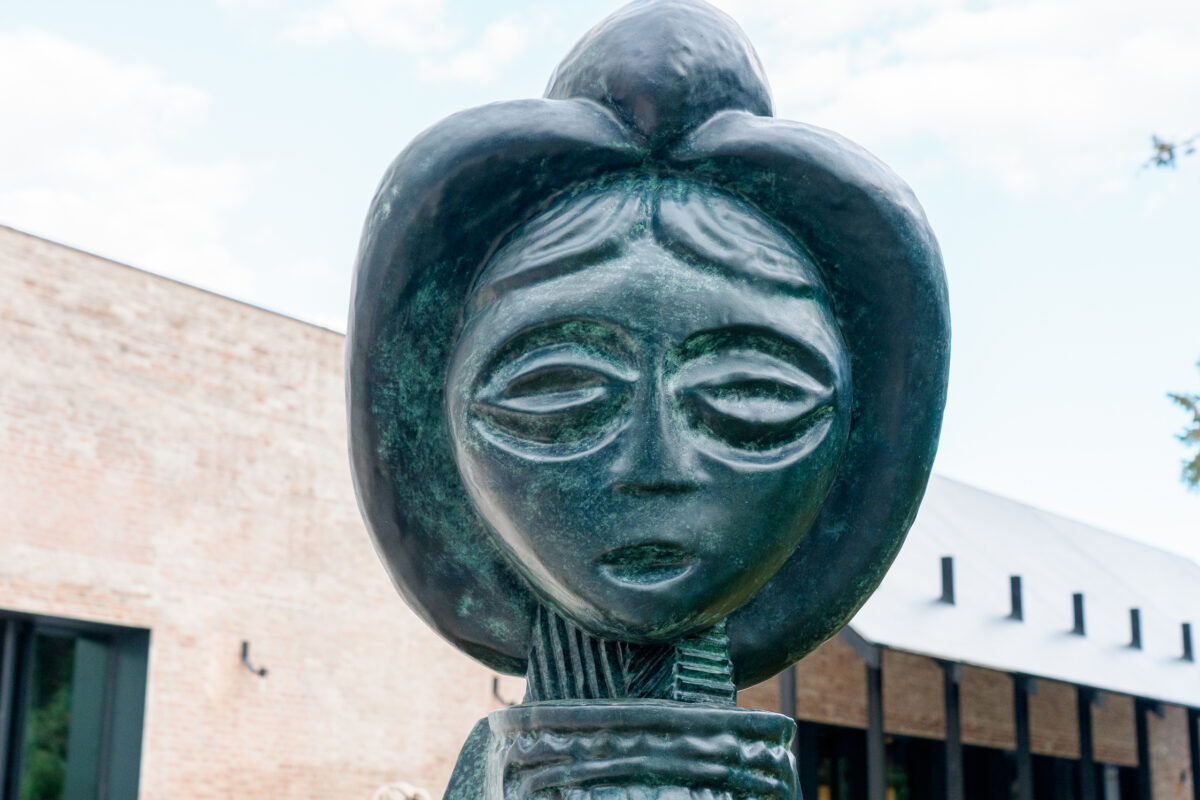
Photo : 61st International Art Exhibition – La Biennale di Venezia, In Minor Keys. Photo by Andrea Avezzù. Courtesy: La Biennale di Venezia
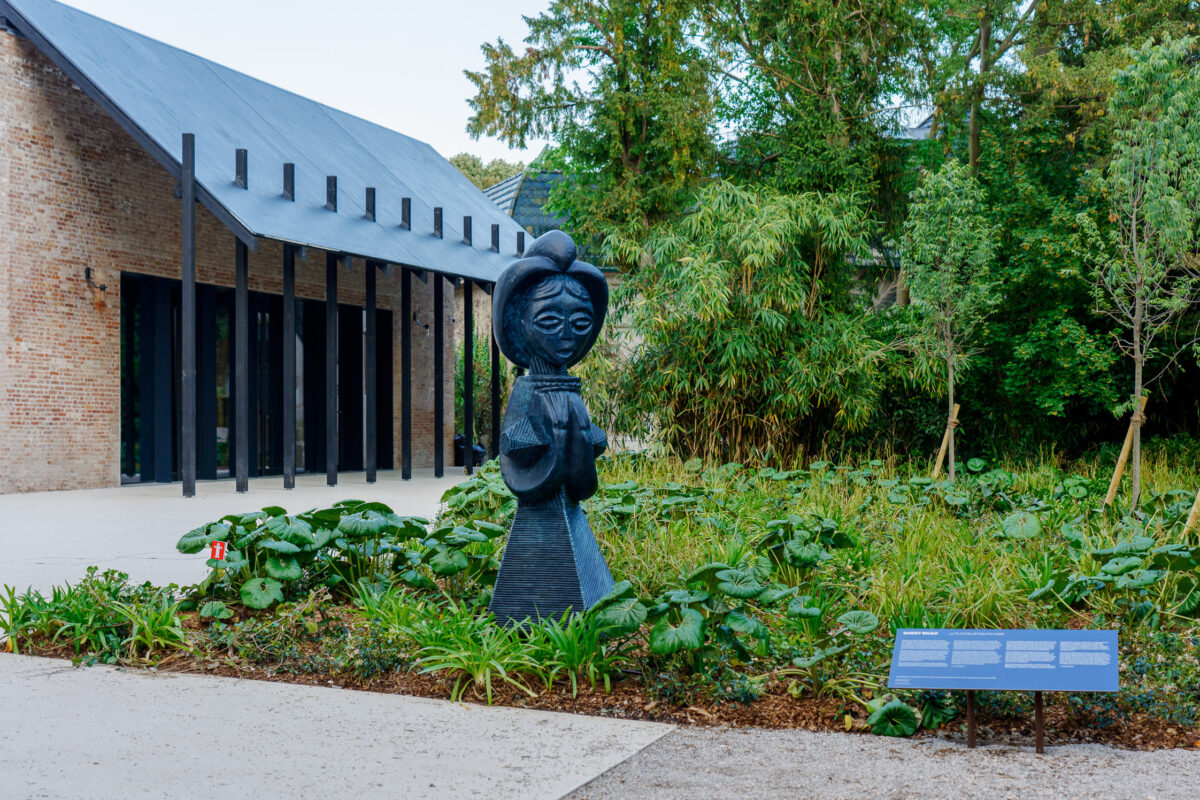
Photo : 61st International Art Exhibition – La Biennale di Venezia, In Minor Keys. Photo by Andrea Avezzù. Courtesy: La Biennale di Venezia
In Sammy Baloji’s practice, the past and present extraction of natural resources in Katanga – a mineral-rich province in the Democratic Republic of Congo – serves as a lens through which he examines the structural afterlives of colonialism. Baloji does not consider colonialism a closed chapter, but an ongoing system that carries cultural repercussions for the consumption and contextualisation of African art. In Baloji’s view, each historical injustice generates its own ghosts – spirits that carry knowledge of the past and demand reparation. In line with philosopher Valentin-Yves Mudimbe’s notion of reprendre (‘taking back’), Baloji revisits and re-appropriates traditional Congolese artefacts, thereby enacting a form of cultural restitution, challenging the colonisation of spaces, objects and minds. In a series of three sculptures, Baloji examines the shifting regimes of classification to which such objects have been subjected in different historical and ideological frameworks. Taking as his starting point significant Congolese artworks, he enlarges them and integrates cubic forms into them. The shapes are modelled on the crystalline structure, as seen under a microscope, of uranium – a mineral extracted in Congo that has complicated the country’s history. These crystals shape the sculptures while simultaneously ‘contaminating’ them through their allusion to radioactivity, violent extractivism, and the destructive consequences of atomic weaponry.
Classification I: Collezione di Arti e Culture Africane del Museo delle Civiltà, Idolo Arcaico dei Bamba (?), a large sculpture originally installed outside, is based on a work from the former “Luigi Pigorini” National Prehistoric and Ethnographic Museum, in Rome. Objects from the Kingdom of Kongo that entered European collections between the fourteenth and sixteenth centuries first landed in cabinets of curiosity: eclectic assemblages of natural specimens, artworks and exotic items that represent the marvels of the world. Later, following the broader logic of coloniality, these artefacts were collected in ethnographic museums that studied ‘other’ cultures from a position of Western superiority. The work’s reference sculpture was in fact shown at the 1922 Biennale di Venezia in a separate section titled Mostra di Scultura Negra (Exhibition of Black Sculpture), an early display of African art in the biennial that cast it as evolutionarily “primitive” in relation to European art.
Classification II: Notes Analytiques sur les Collections Ethnographiques du Musée du Congo, Tome I. – Fascicule II. La Religion, Fétchies (figures) nr. 535 is based on a sculpture catalogued between 1902 and 1906 in what was then called the Belgian Museum of the Congo, another ethnographic institution, established under Leopold II in 1898. Leopold’s brutal colonisation of Congo sparked widespread suffering as well as the looting of art objects by colonial forces and their confiscation by Catholic missionaries.
By contrast, Classification III: Art From Zaïre, 100 Masterwors from the National Collection, Cult Staff is based on a work from a Congolese collection that was assembled during the rule of Mobutu Sese Seko. Following Belgian Congo’s independence in 1960 and the Westernbacked assassination of Prime Minister Patrice Lumumba in 1961, Mobutu seized power in 1965. Renaming the country Zaire, he promoted an ideology of “authenticity”, a return to precolonial African identity that instrumentalised culture. His state-driven policy folklorised Congolese culture and demystified art objects, recasting them as symbols of a unified nation embodied by Mobutu. During his thirty-year rule, this rhetoric served to consolidate his authority while maintaining strong alliances with Western governments.
Essay on Colonial Classicism and ‘Others’ presents a series of sixteen collages that mingle portraits of King Baudoin of Belgium and Mobutu; covers, pages and photographs of objects from ethnographic catalogues; and Baloji’s diagrams of mineral crystals and scans of Congolese objects held in ethnographic museums. Scanning these sculptures, Baloji argues, is a kind of scientific voyeurism; the information that it reveals cannot compensate for the loss of meaning when they were removed from their context.
– Heidi Ballet