
Photo credits: Daniela Uribe
[+]Photo credits: Daniela Uribe
[-]Photo credits: Daniela Uribe
[+]Photo credits: Daniela Uribe
[-]Photo credits: Daniela Uribe
[+]Photo credits: Daniela Uribe
[-]Photo credits: Daniela Uribe
[+]Photo credits: Daniela Uribe
[-]Photo credits: Daniela Uribe
[+]Photo credits: Daniela Uribe
[-]Photo credits: Daniela Uribe
[+]Photo credits: Daniela Uribe
[-]Photo credits: Daniela Uribe
[+]Photo credits: Daniela Uribe
[-]Photo credits: Daniela Uribe
[+]Photo credits: Daniela Uribe
[-]Photo credits: Daniela Uribe
[+]Photo credits: Daniela Uribe
[-]Photo credits: Daniela Uribe
[+]Photo credits: Daniela Uribe
[-]Photo credits: Daniela Uribe
[+]Photo credits: Daniela Uribe
[-]Photo credits: Daniela Uribe
[+]Photo credits: Daniela Uribe
[-]
Photo credits: Daniela Uribe
Photo credits: Daniela Uribe
Photo credits: Daniela Uribe
Photo credits: Daniela Uribe
Photo credits: Daniela Uribe
Photo credits: Daniela Uribe
Photo credits: Daniela Uribe
Photo credits: Daniela Uribe
Photo credits: Daniela Uribe
Photo credits: Daniela Uribe
Photo credits: Daniela Uribe
Photo credits: Daniela Uribe
Born in Haiti, Tessa Mars traces the politics of identity among her country’s migrant population and expresses a decolonial imaginary rooted in the spiritual encounter between humans, other forms of life, nature, territory and community-building.
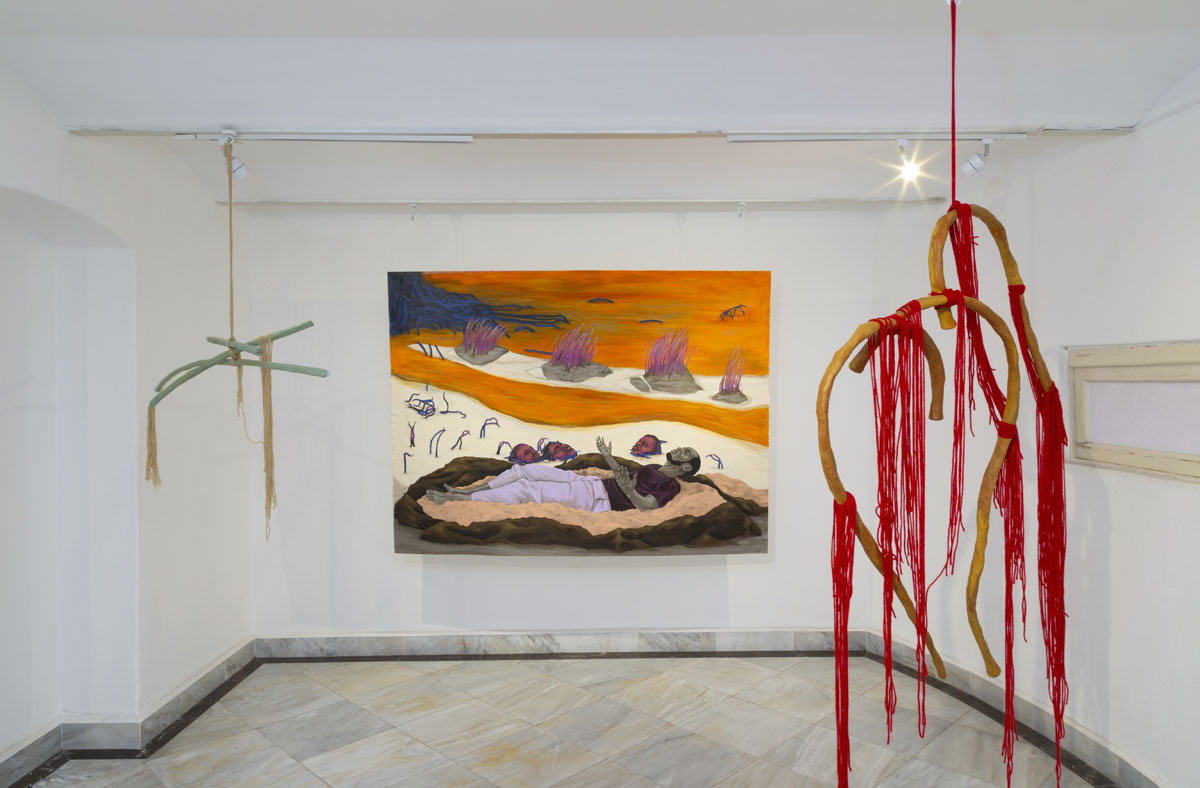
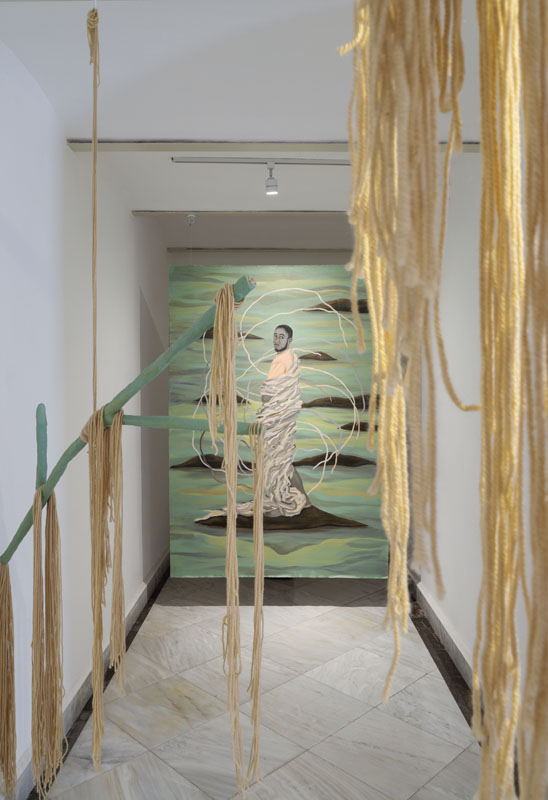
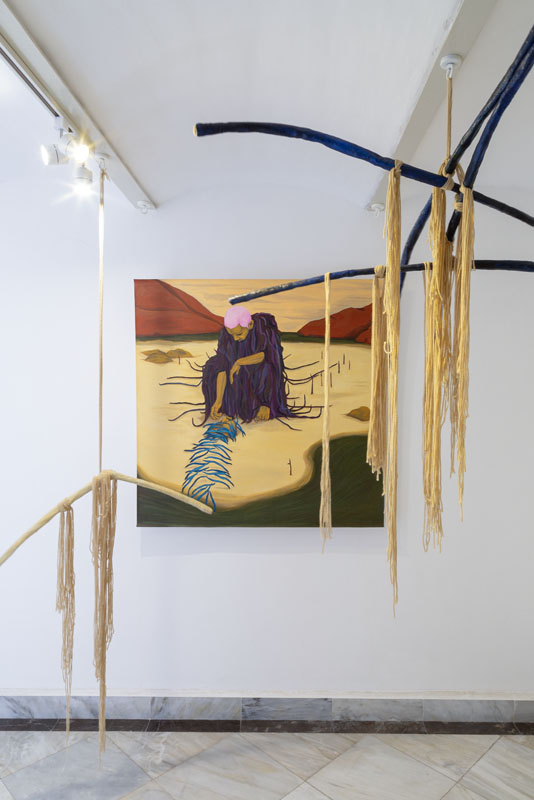
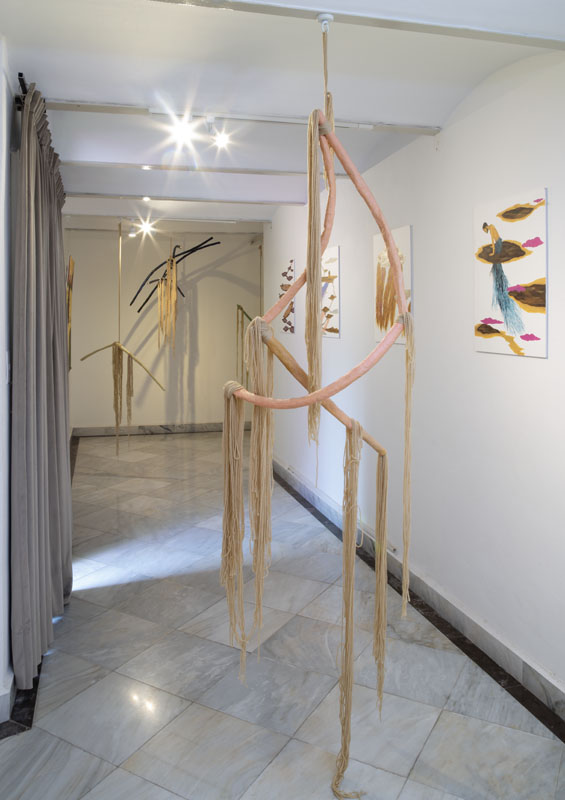
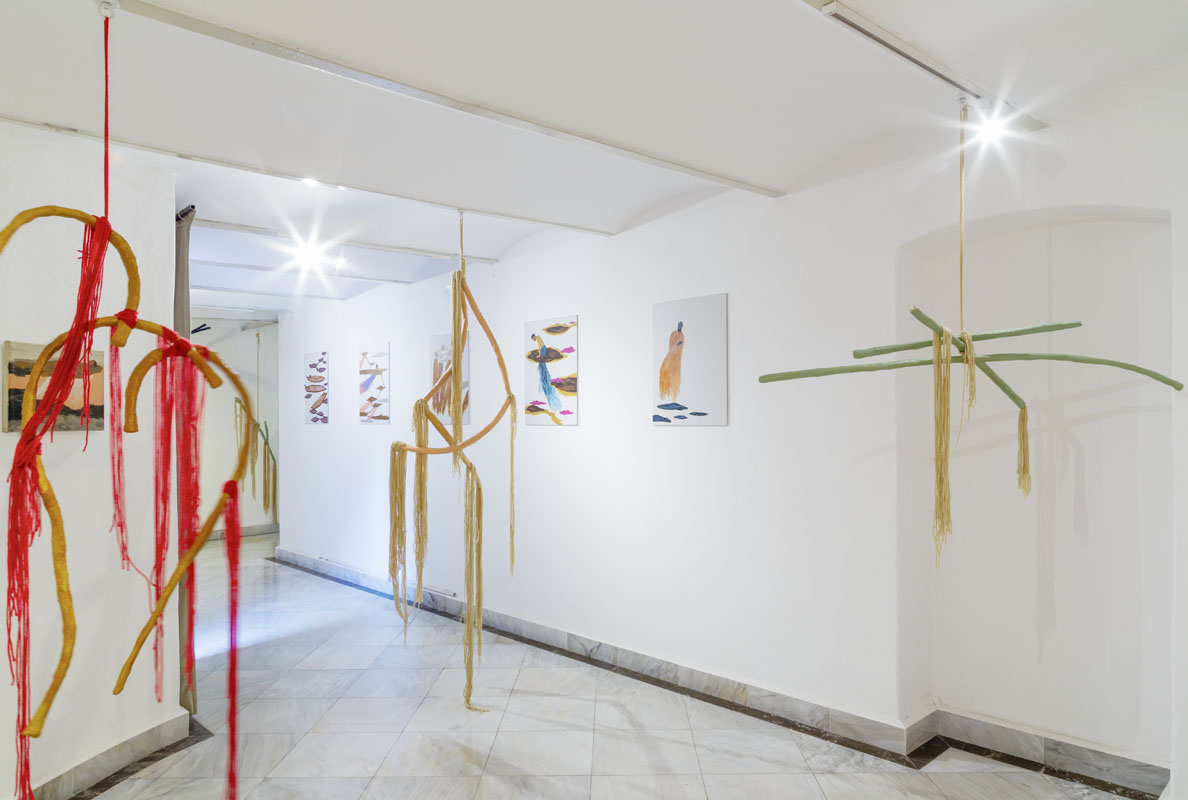
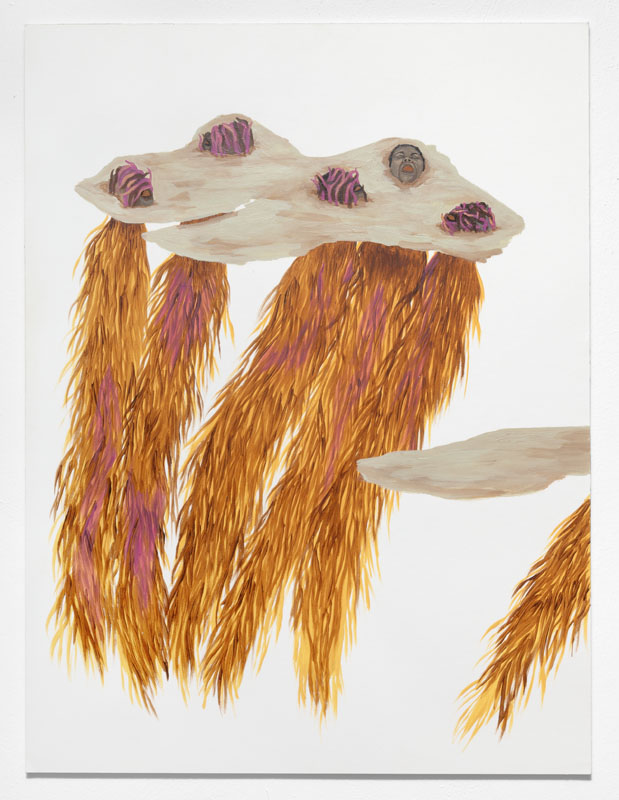
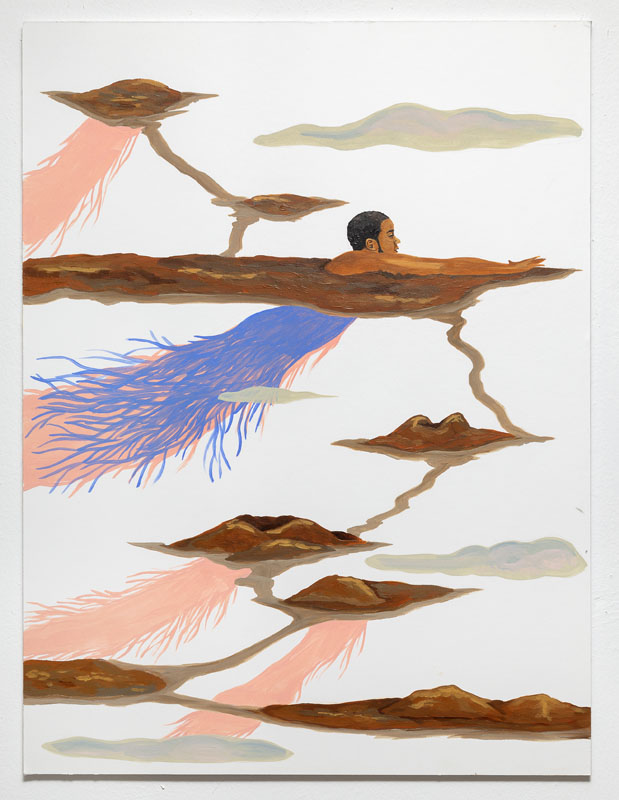
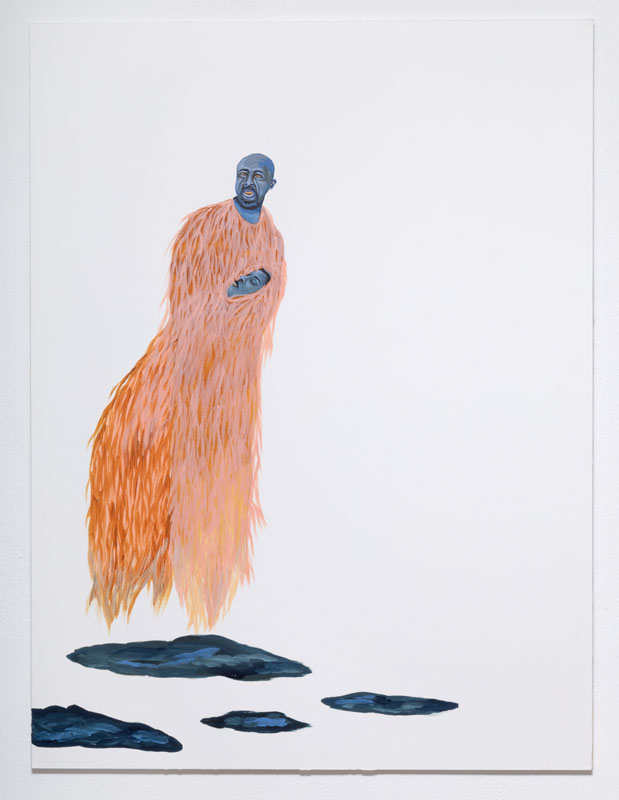
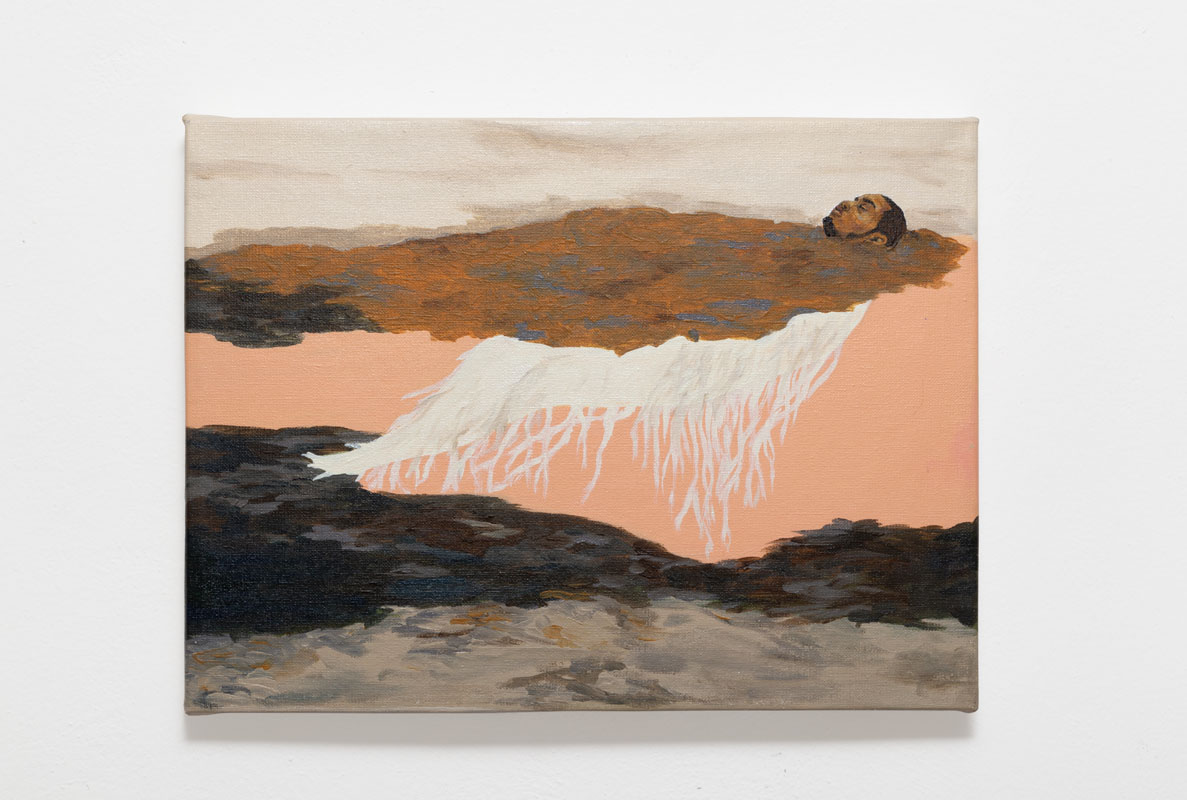
In Nan Dòmi. Las canciones que cantamos, Mars takes a personal dream and a Haitian Creole lullaby as her starting point to reflect on the migratory journey, memory, and the recognition of historical violences that continue to be perpetuated today. “Dodo Titit” is a lullaby sung to children in Haiti, one that Mars’s mother used to sing. Although the song brings a sense of comfort, its mysterious effect stems from lyrics in which fear promises guidance and salvation.
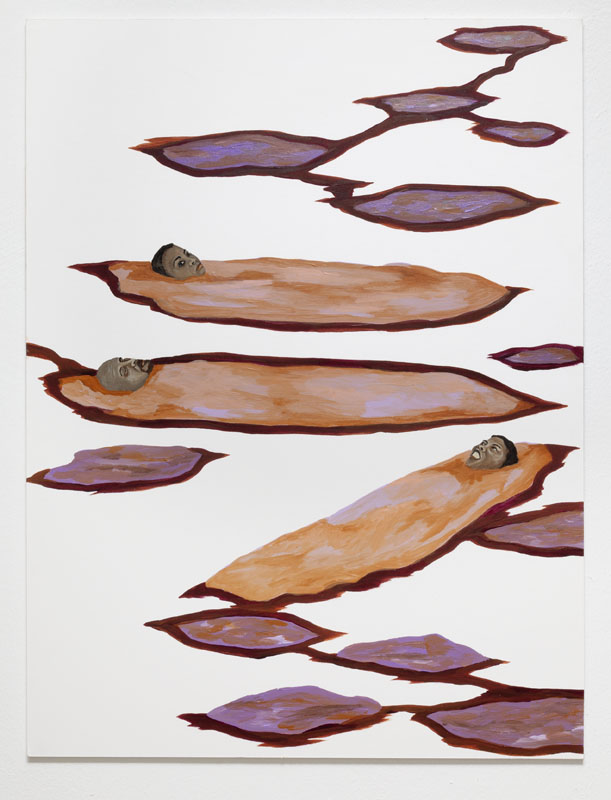
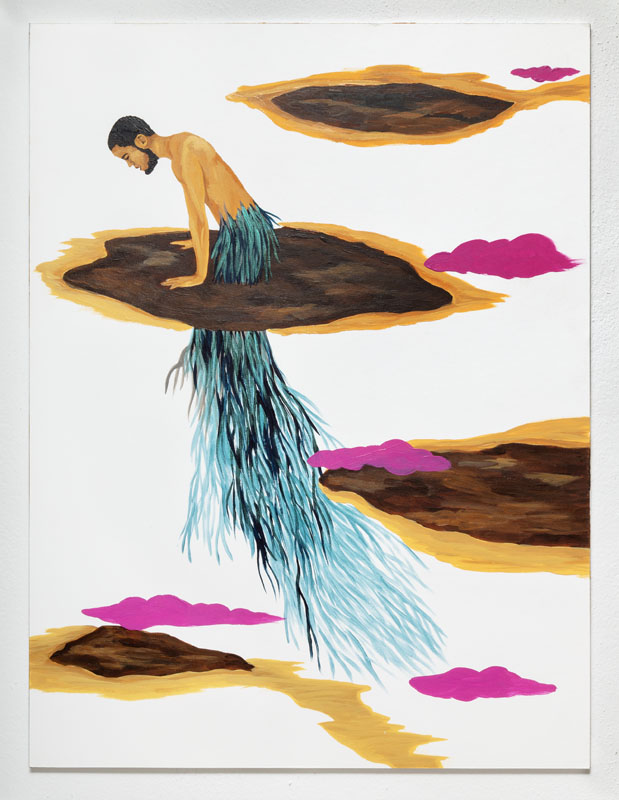
In Mars’s daily life, this song has appeared in different forms. Among them, the visit in dreams of trees and landscapes in which a traveler lies. In that other temporality, we witness a waiting suspended by rest. In the end, it is insomnia that drags her along the journey. In telling us this dream, Mars evokes a metaphorical mark that brings together ancestral wisdom and the struggles of the dreamers, or Haitian migrants, in their unavoidable search for buen vivir (good living).
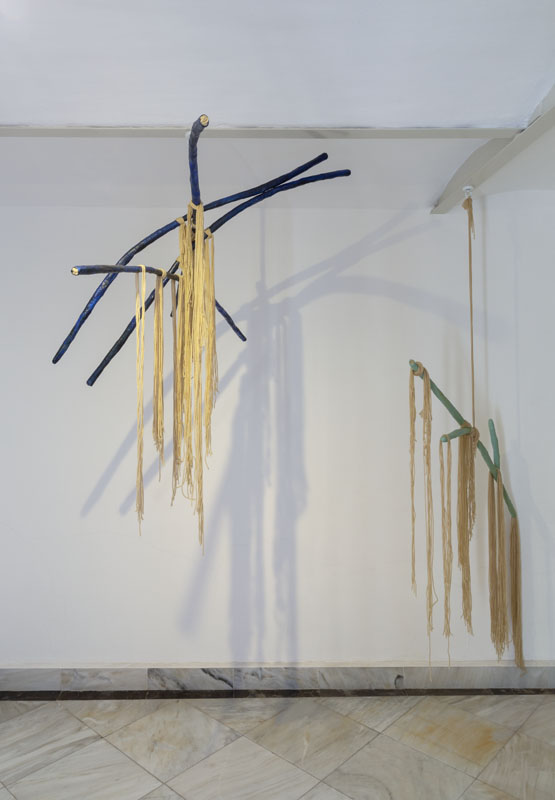
Curated by Eva Posas (MX), the third exhibition in our space dedicated to young Latin American art presents the work of Tessa Mars, a Haitian artist who, through paintings, audio pieces and papier-mâché objects, explores ideas such as migration, belonging, spirituality and the construction of community identity.